Buying Guides
Remanufactured vs New Brake Calipers: A Sourcing Guide for Importers and Rebuilders
Compare new aftermarket and remanufactured brake calipers by cost, quality checks, core returns and warranty. A practical guide for importers and rebuilders.
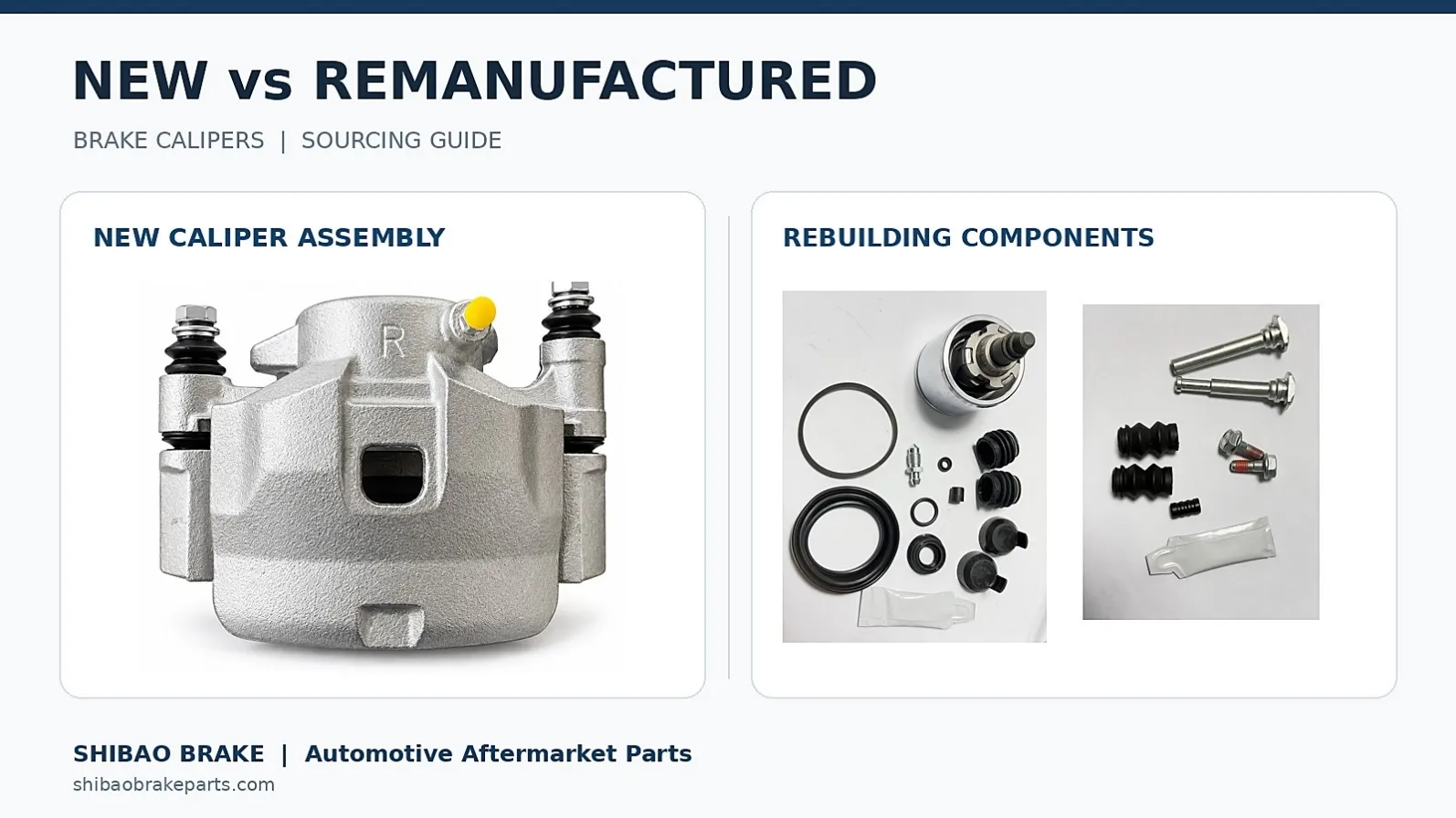
When sourcing brake calipers for the automotive aftermarket, importers and distributors often compare new aftermarket caliper assemblies with remanufactured calipers. The right choice depends on more than the purchase price: product configuration, core availability, inspection practices, warranty terms and the needs of the local market all matter.
For businesses that rebuild calipers themselves, there is a third purchasing route: sourcing the repair components needed to restore suitable used units. This guide explains the differences and the questions worth asking before placing an order.
1. What Is the Difference Between New and Remanufactured Brake Calipers?
New aftermarket brake calipers
A new aftermarket brake caliper is manufactured using new components rather than a previously used caliper core. It is intended to fit a specified vehicle application or OE reference, but an OE cross-reference alone does not guarantee fitment. Buyers should also verify mounting points, piston dimensions, left/right position and the supplied configuration.
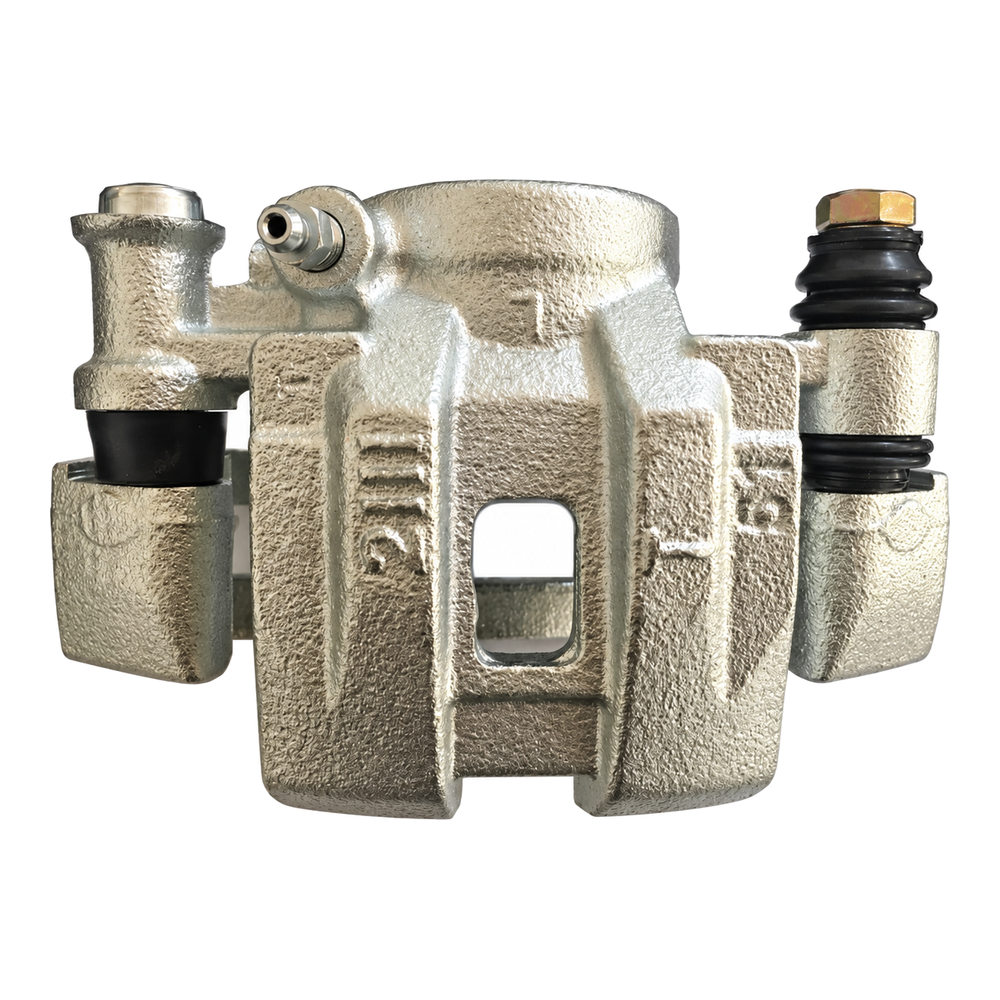
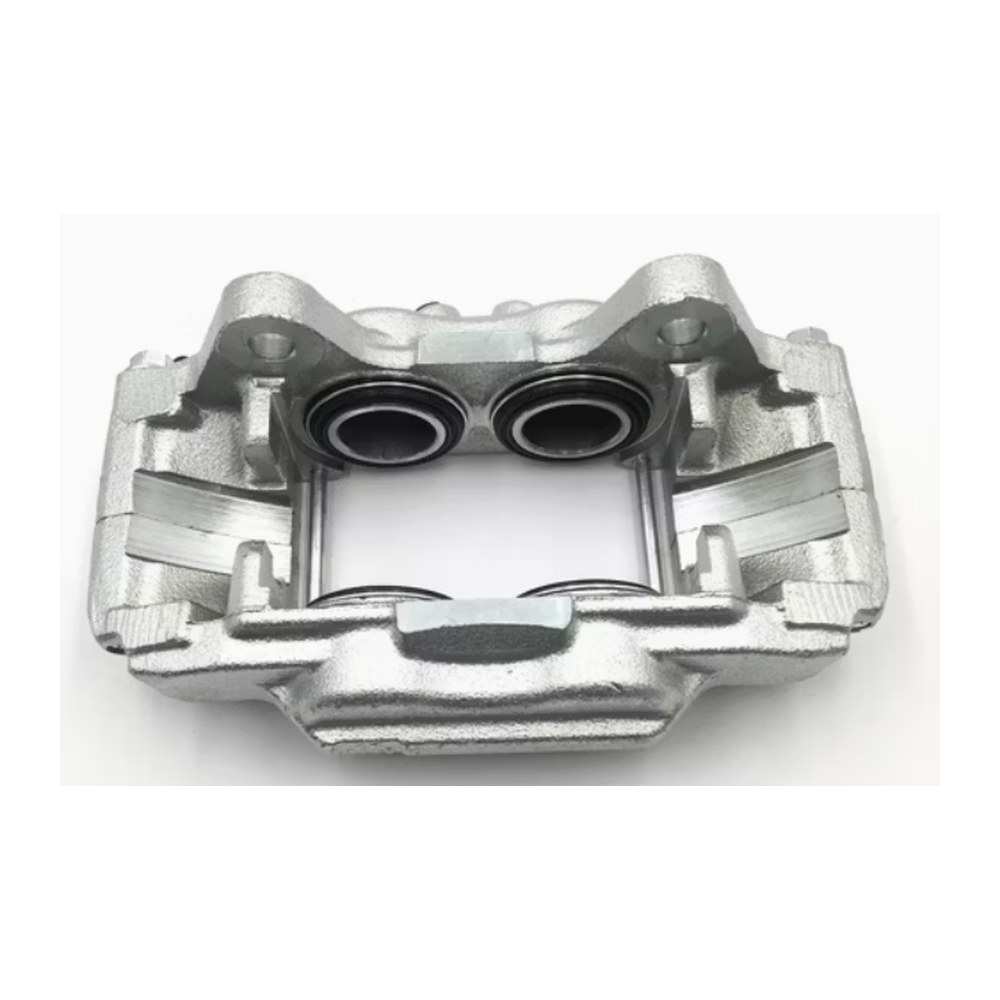
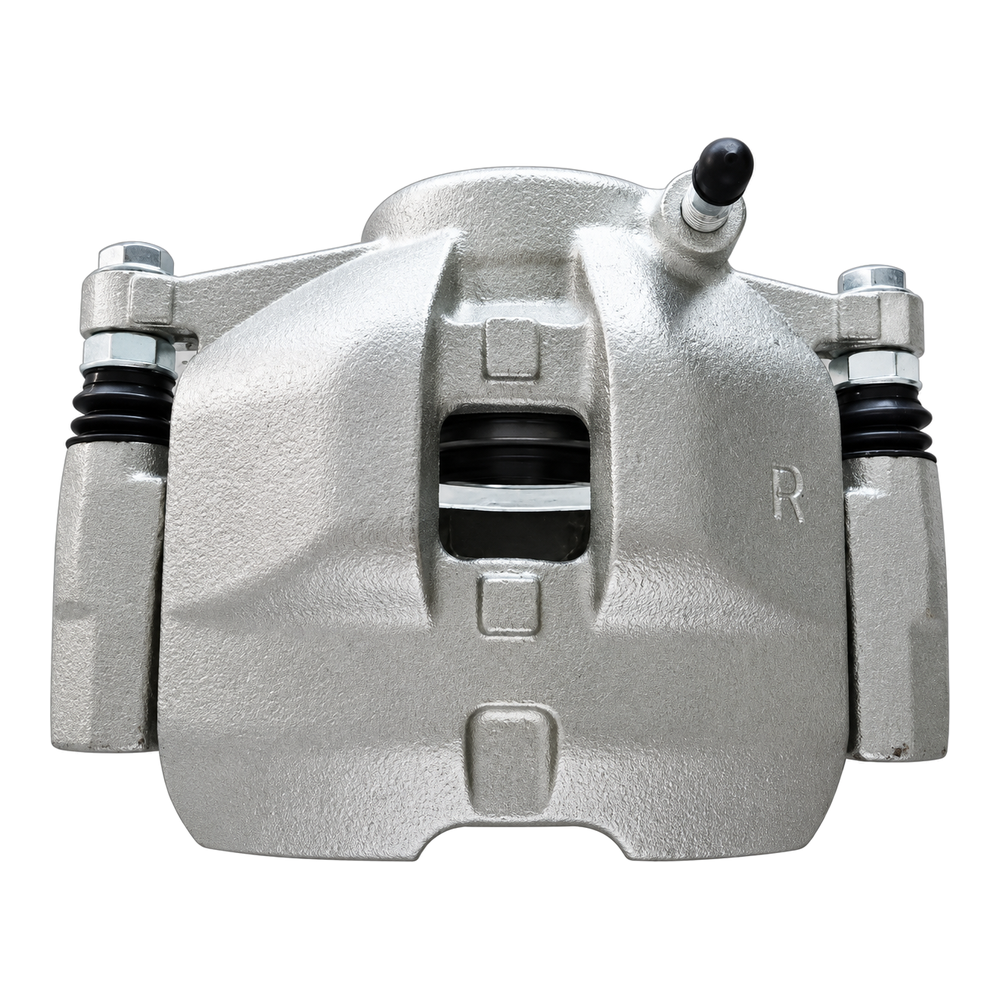
A complete caliper assembly may include a mounting bracket, but inclusion varies by supplier and part number. SHIBAO's standard quotation for complete calipers includes the mounting bracket unless a particular offer states otherwise. Buyers should still confirm the exact configuration on the quotation and product drawing or photograph.
Remanufactured brake calipers
A remanufactured caliper starts with a used core. A remanufacturer typically disassembles it, cleans and inspects reusable parts, replaces worn or specified components, reassembles the unit and performs appropriate checks. Some cores are rejected because of corrosion, damage or dimensional issues.
The exact rebuild process and replacement parts vary between remanufacturers. It should not be assumed that every internal component is new or that every remanufactured unit includes a bracket.
New vs remanufactured at a glance
• Starting point — New aftermarket caliper: newly manufactured components. Remanufactured caliper: previously used caliper core.
• Housing — New aftermarket caliper: new. Remanufactured caliper: reused if accepted after inspection.
• Seals, boots and pistons — New aftermarket caliper: specified new components. Remanufactured caliper: replaced or reused according to the rebuilder's documented process and acceptance criteria.
• Mounting bracket — Depends on the supplied configuration for both options.
• Core return — New aftermarket caliper: generally not required. Remanufactured caliper: may be required under a core-exchange program.
• Supply constraint — New aftermarket caliper: manufacturing capacity and component availability. Remanufactured caliper: suitable core availability as well as rebuilding capacity.
2. Compare Total Landed Cost, Not Just Unit Price
A remanufactured caliper is not automatically cheaper in every market or for every OE reference. Actual pricing depends on the core, labour, replacement parts, inspection requirements, order quantity and logistics.
For an importer, compare the total landed cost of each option, including:
• Unit price and the exact included parts, especially the mounting bracket and hardware
• Core charges, return conditions and reverse freight, if applicable
• Export packing, freight, duties and local handling
• Minimum order quantities and mixed-model availability
• Warranty terms, claim documentation and potential replacement costs
A lower initial unit price can lose its advantage if cores are difficult to return or if claims are expensive to resolve. Request comparable written quotations for the same OE application and configuration before making a decision.
3. Quality: What Buyers Should Actually Verify
Both new and remanufactured calipers are safety-critical brake components. The label “new” or “remanufactured” is not a substitute for evidence of fitment, materials, process control and product inspection.
For new aftermarket calipers
Ask the supplier to clarify:
• How the OE reference and vehicle application were cross-checked
• Which components and mounting bracket are included
• What dimensional checks are performed on relevant features
• How sealing performance and assembly function are verified
• Whether inspection or test records can be supplied for the requested product and batch
The exact tests and documentation should be confirmed with the supplier; do not assume that every factory uses the same procedure for every part number.
For remanufactured calipers
Ask the rebuilder:
• What makes a used core acceptable or unacceptable
• How corrosion, wear, damage and critical dimensions are assessed
• Which components are replaced and which may be reused
• How the caliper is assembled, checked and tested after rebuilding
• How units are identified and traced if a warranty issue occurs
A well-controlled remanufacturing process can produce serviceable parts, but suitability must be established through appropriate inspection, testing and applicable requirements. Buyers should not rely on a general claim that remanufactured units perform exactly like new ones.
4. Warranty and Claim Handling
Warranty coverage varies by supplier, market and commercial agreement. It is not reliable to assume a fixed warranty period or failure rate for all new or all remanufactured calipers.
Before purchasing, request written answers to these questions:
1. What is the warranty period, and when does it start?
2. What evidence is required for a claim (photos, batch information, installation records or returned parts)?
3. Who pays freight, replacement costs and any applicable core-return charges?
4. What are the exclusions and the expected claim-review process?
5. How are repeated issues on the same reference investigated?
For distributors, warranty risk includes administrative time and customer disruption, not only the cost of a replacement part.
5. Which Purchasing Route Fits Your Business?
Buyer situation / route worth evaluating / main consideration:
• Importer building a new aftermarket caliper range — New aftermarket assemblies — Consistent configuration and repeat supply.
• Distributor already operating a core-return system — Remanufactured calipers — Core logistics and rebuilding quality controls.
• Caliper rebuilding workshop — Repair components and kits — Correct dimensions and kit contents for each core.
• Parts wholesaler serving several customer groups — A mix of product types from suitable suppliers — Separate specifications, warranties and inventory planning.
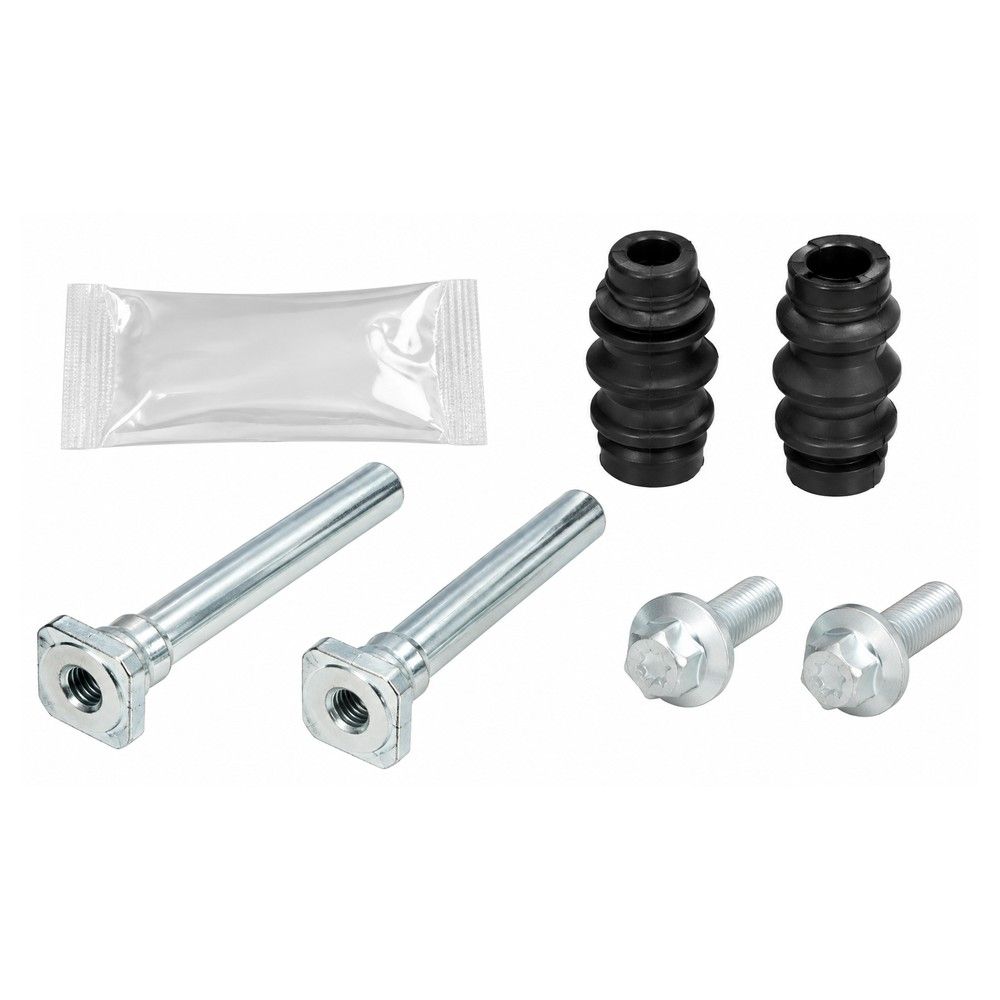
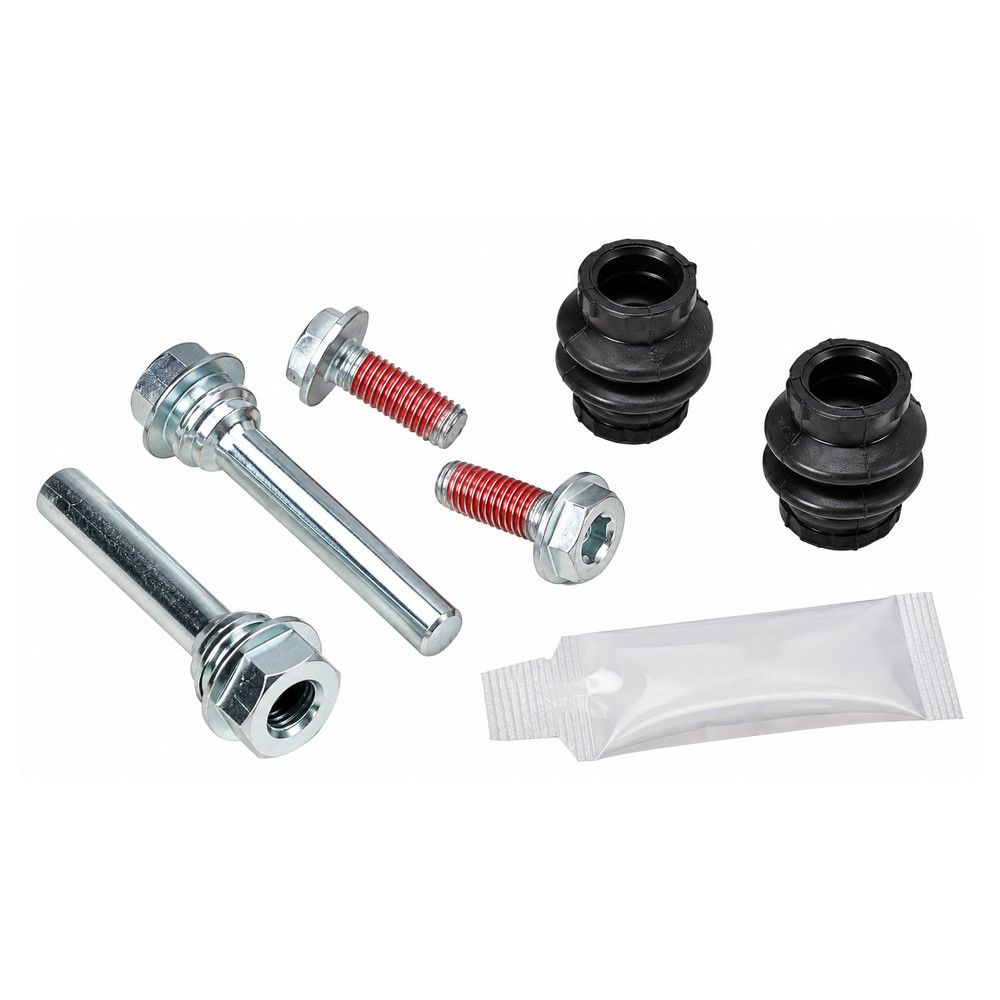
For rebuilders, the repair component is often the real purchasing decision. Depending on the caliper, the required items may include pistons, seals, dust boots, guide pins, sleeves, bleeder screws or other internal parts. These items are not interchangeable across all models, and a product described as a “repair kit” does not necessarily contain every component listed here.
6. How Rebuilders Can Source the Correct Repair Parts
Before requesting a quotation for caliper rebuilding components, prepare as much of the following as possible:
• OE or aftermarket reference number, where available
• Vehicle model and year, plus front/rear and left/right position
• Clear photographs of the existing part and the parts to be replaced
• Relevant measurements, especially piston diameter and seal or guide-pin dimensions
• Required kit contents and estimated quantities per reference
Do not rely on appearance alone. Two caliper parts can look similar while differing in dimensions or sealing geometry. For safety-critical items, the buyer and supplier should resolve uncertain specifications before an order is confirmed.
7. About SHIBAO Brake: New Calipers and Rebuilding Components
Yuhuan Shibao Automotive Co., Ltd. (SHIBAO Brake) is an automotive aftermarket brake parts supplier based in Yuhuan, Zhejiang, China, established in 2000. We focus on replacement brake components for passenger cars, pickup trucks and light commercial vehicles, working with importers, wholesalers, distributors and caliper rebuilding businesses.
Our product range includes new aftermarket brake caliper assemblies, caliper repair kits, guide pin kits, pistons, rubber seals and selected rear caliper internal components. For rebuilders, we can review individual replacement parts or kit requirements against OE references, photos and measurements.
For complete aftermarket calipers, our standard offering includes the mounting bracket, subject to confirmation for the specific part number. We are not presenting remanufactured complete calipers as a standard SHIBAO product offering. Businesses that rebuild calipers can instead ask us about compatible replacement components.
We review inquiries by OE reference, required configuration, quantity and current availability. Mixed-model orders and trial quantities are assessed case by case; no single minimum quantity applies to every item.
Send your OE list, photos and quantities for a quotation:
• Email: sophia@shibaobrakeparts.com
• WhatsApp: +86 188 0657 8282
• Website: www.shibaobrakeparts.com
• Contact form: Send Your OE List for a Quote
Related product categories
Related reading
By SHIBAO Brake | Yuhuan Shibao Automotive Co., Ltd.