Buying Guides
Brake Caliper Failure Symptoms: 7 Warning Signs and Repair Options
Learn seven warning signs of brake caliper problems, possible causes, and when professional inspection may lead to repair parts or caliper replacement. A guide for aftermarket parts buyers.
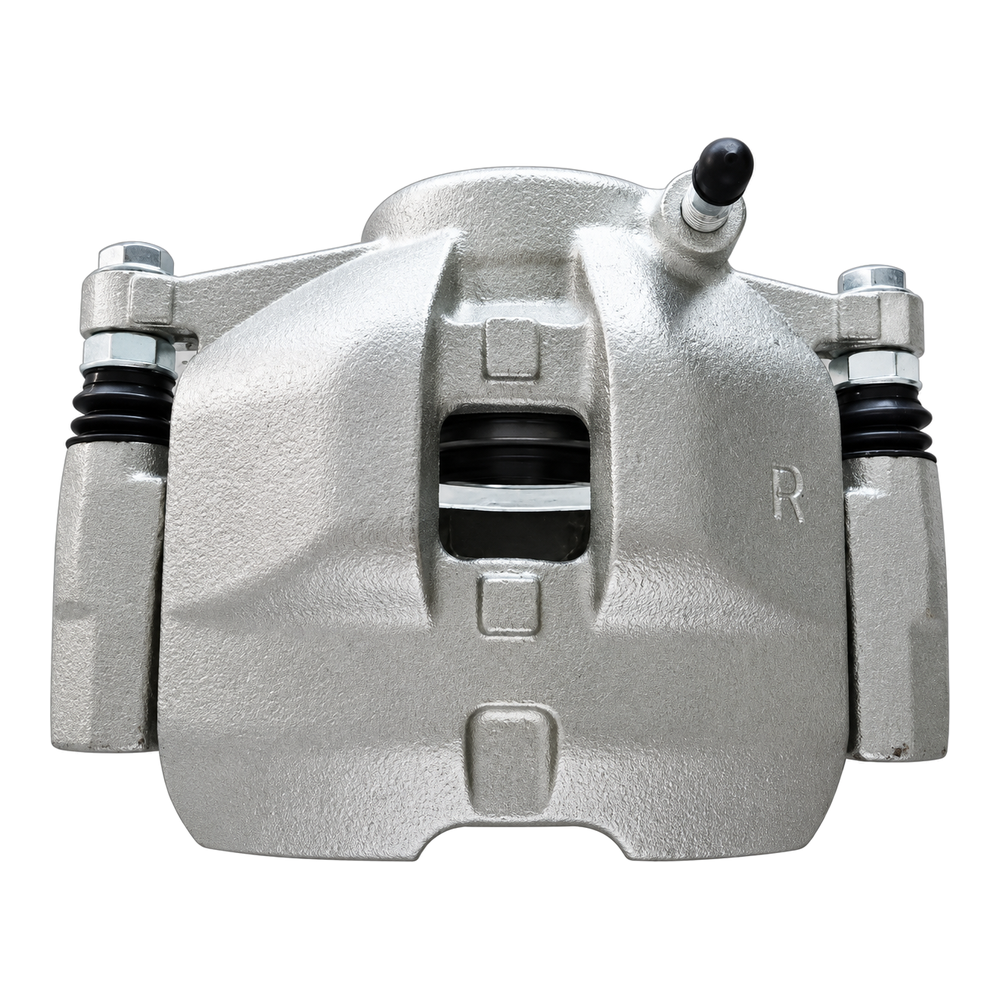
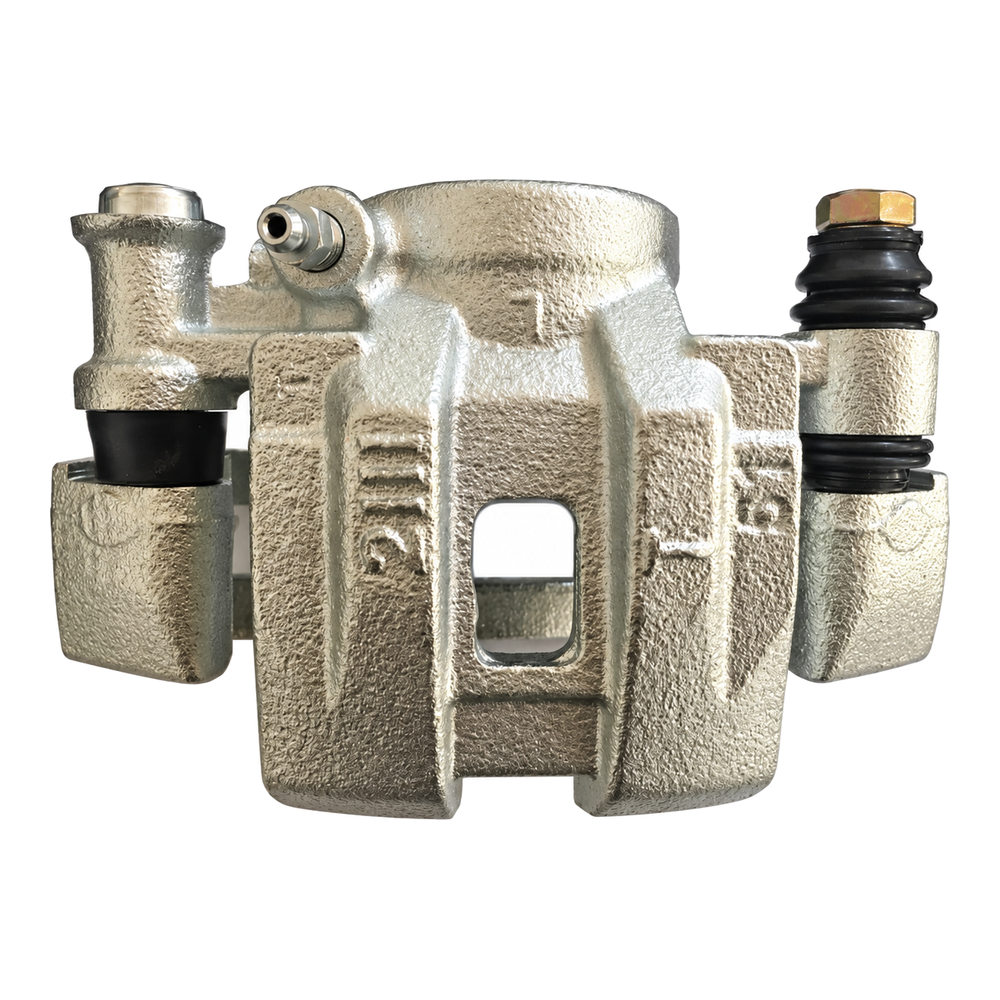
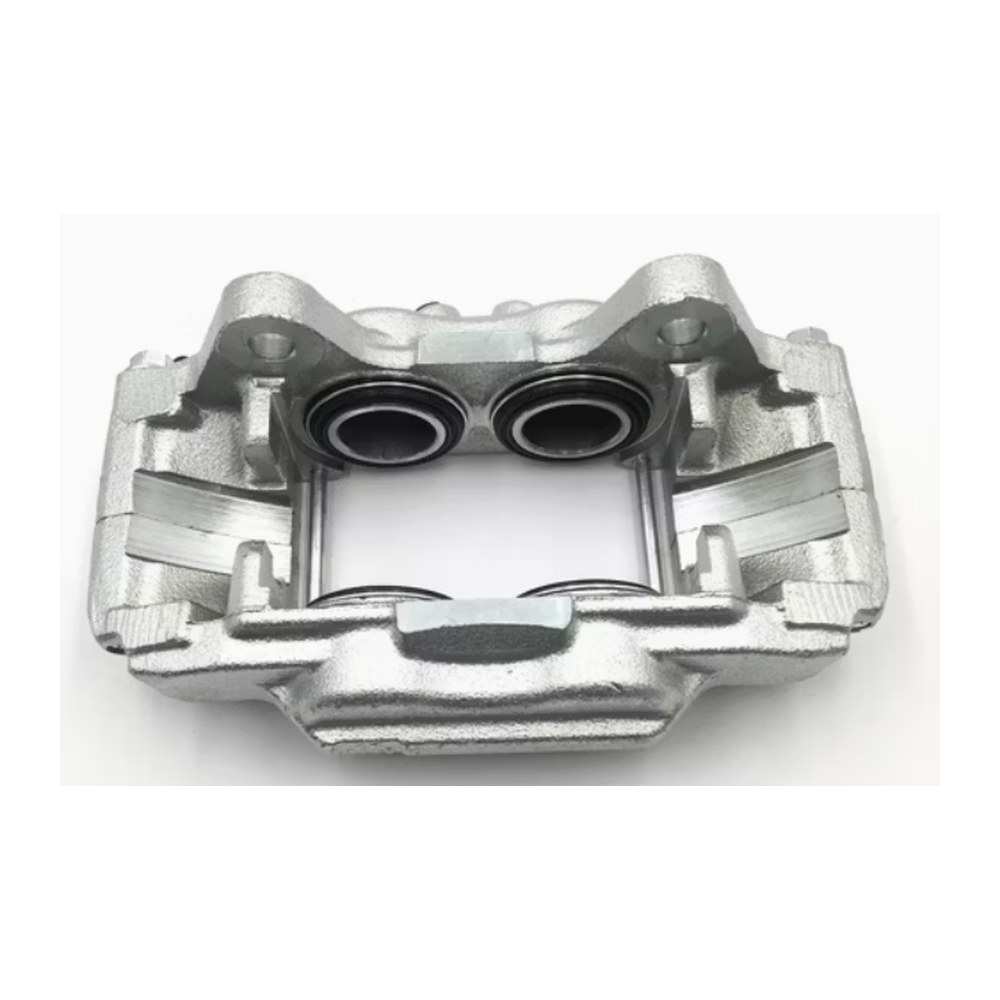
Brake calipers are essential parts of a vehicle's hydraulic braking system. When a caliper piston, sliding guide pin, seal or associated mechanism stops operating as intended, drivers may notice changes in braking behavior, pad wear or wheel temperature. However, these symptoms do not prove that the caliper itself is defective. Brake hoses, pads, rotors, wheel bearings, hydraulic components and other systems can produce similar symptoms.
For aftermarket importers, parts distributors and caliper rebuilding businesses, understanding these warning signs helps explain why customers request complete brake calipers, guide pin kits, pistons, seals and other repair components. The correct part depends on a qualified diagnosis and the condition of the specific caliper.
Safety note: Brake faults can cause loss of braking performance. A vehicle showing fluid leakage, abnormal braking, overheating or other serious symptoms should be inspected promptly by a qualified technician. Do not continue driving a vehicle with a suspected unsafe braking system.
1. Vehicle Pulls to One Side During Braking
A vehicle that pulls to one side under braking may have uneven braking force across the axle. A sticking caliper piston or seized sliding pin is one possible cause, but tire condition, brake hose restrictions and other mechanical or hydraulic issues must also be considered.
What a technician may check: Caliper movement, piston condition, guide pins and boots, pad wear, hydraulic pressure and related suspension or tire issues.
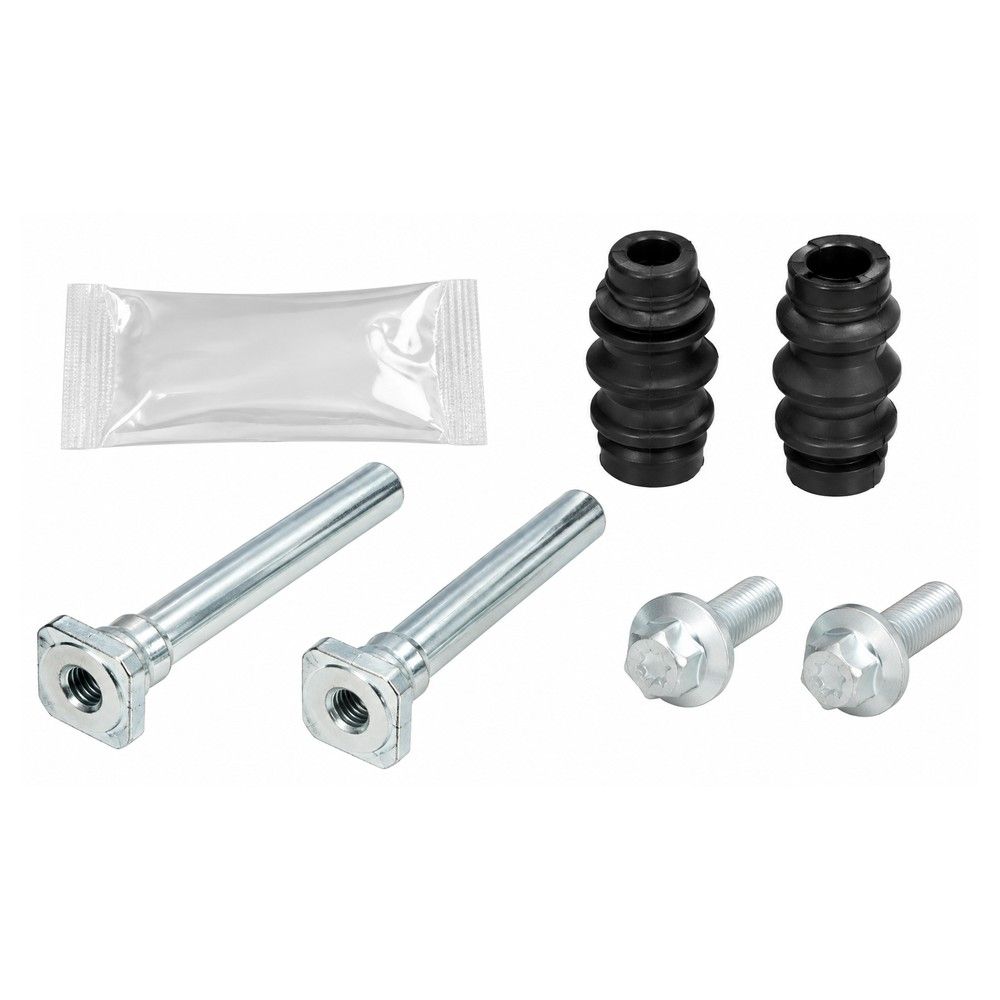
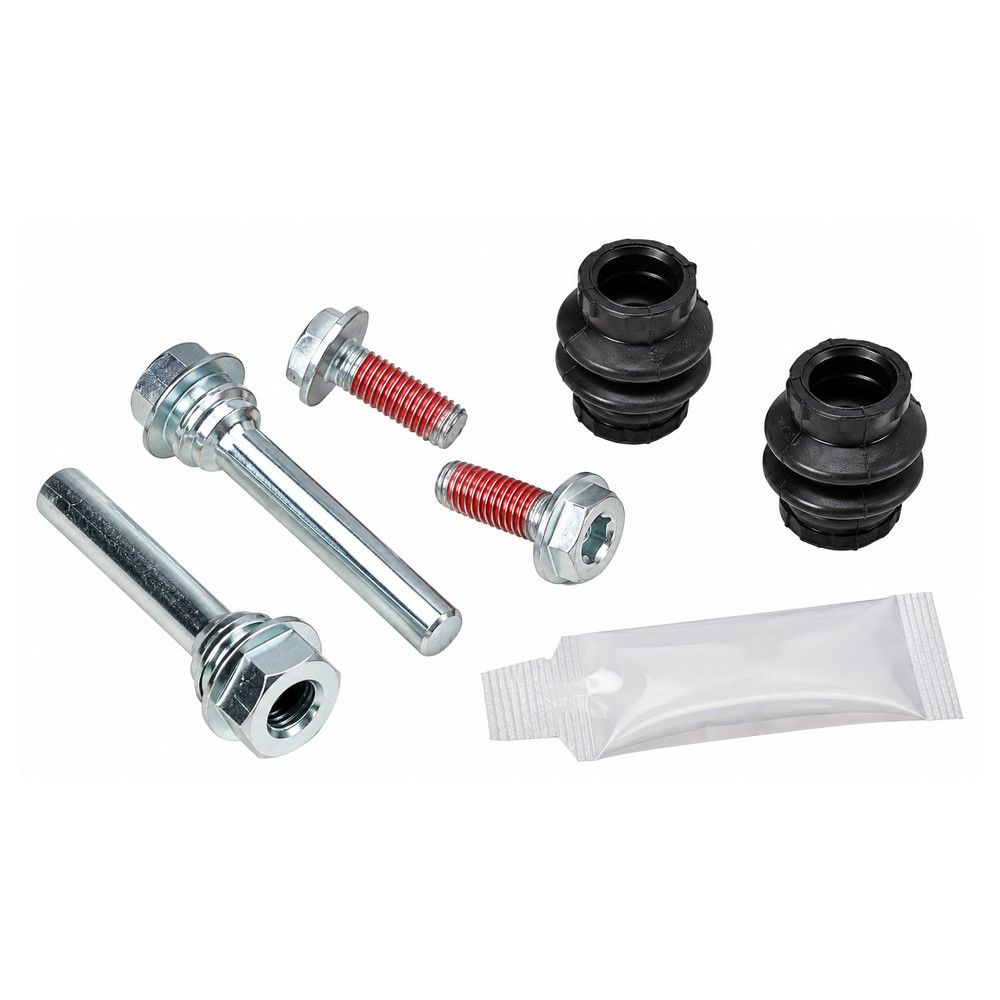
Parts that may be needed: A guide pin kit or other approved repair components when the caliper and bracket are serviceable; a replacement caliper if critical components are damaged or the unit cannot be restored to the required condition.
2. Brake Fluid Leakage Near a Wheel
Brake fluid visible around a caliper or wheel area requires urgent attention. Leakage may come from a caliper piston seal, bleed screw, hose connection or another hydraulic component. A torn dust boot can allow contamination to enter, but the dust boot itself is not the hydraulic pressure seal.
What a technician may check: The exact leak source, piston surface, hydraulic seal, caliper bore and connection points, using the vehicle manufacturer's service procedures.
Parts that may be needed: Correctly specified piston seals, dust boots or pistons if the caliper design permits rebuilding and the housing passes inspection. A complete replacement may be necessary where the housing, sealing surfaces or other critical features are damaged.
3. Uneven or Premature Brake Pad Wear
Uneven wear between inner and outer pads can occur when a floating caliper does not slide freely or when a piston fails to move as intended. Pad hardware, rotor condition and installation issues can also contribute.
What a technician may check: Guide pin travel, pin and bore condition, boots, pad abutments, piston movement and the condition of the bracket and hardware.
Parts that may be needed: Guide pin kits, boots or suitable hardware for serviceable components. Where piston or caliper damage is present, a properly specified rebuild or complete replacement may be required.
4. A Soft or Spongy Brake Pedal
A soft brake pedal is a braking-system symptom, not a reliable caliper-specific diagnosis. Air in the hydraulic circuit, fluid leaks, master cylinder faults and other issues can produce similar pedal behavior.
What a technician may check: Hydraulic fluid level and condition, visible leaks, the master cylinder, brake hoses, calipers and the complete bleeding and hydraulic system according to vehicle-specific procedures.
Parts that may be needed: Only the parts identified as defective during diagnosis. Do not assume that replacing a caliper or installing a repair kit will correct a soft pedal.
5. An Overheated Wheel or Burning Smell
An unusually hot wheel, dragging brake or burning odor can indicate that a brake is not releasing correctly. A seized caliper piston, restricted sliding mechanism, brake hose problem or parking brake fault may be involved.
What a technician may check: Brake drag, rotor and pad condition, piston return, guide pin movement, hose behavior and any relevant parking brake mechanism. Components may remain dangerously hot after use.
Parts that may be needed: Guide pin or other service parts where the affected mechanism can be safely restored. Heat-damaged components or an unserviceable caliper may require replacement. The full braking system must be assessed for consequential damage.
6. Persistent Squealing, Grinding or Abnormal Brake Noise
Noise alone does not establish a caliper fault. Worn pads, rotor damage, missing or incorrectly installed hardware and other issues are common possibilities. Caliper-related causes may include restricted sliding movement or damaged mounting components.
What a technician may check: Pads, rotor surfaces, pad hardware, bracket contact areas, guide pins, mounting fasteners and caliper alignment.
Parts that may be needed: The specific worn or damaged components found during inspection. A complete caliper assembly is not automatically necessary for brake noise.
7. Parking Brake Problems on Applicable Rear-Caliper Designs
Some rear brake calipers incorporate a mechanical parking brake mechanism or an electronic parking brake (EPB) actuator. Other vehicles use a separate parking brake arrangement, so the design must be confirmed by vehicle model, year and brake configuration.
What a technician may check: Cable or actuator operation, internal mechanisms where serviceable, electrical faults on EPB systems, and the applicable service procedure.
Parts that may be needed: Model-specific internal parts, seals or a complete rear caliper where the design allows. Certain faults may involve the actuator or other parking brake components rather than the hydraulic caliper itself.
Repair Components or a Complete Caliper? A Buyer's Reference
The table below identifies possible parts categories after professional diagnosis. It is not a universal repair decision chart.
• Pulling during braking — Possible caliper-related issue: sticking piston or sliding pin — Parts to consider after inspection: guide pin kit, approved rebuild components or complete caliper.
• Fluid leakage near wheel — Hydraulic seal or connection fault — Correct seal/piston components or complete caliper, depending on damage.
• Uneven pad wear — Restricted caliper sliding or piston movement — Guide pin kit, boots, hardware or caliper.
• Soft brake pedal — Cause may be elsewhere in hydraulic system — Diagnose system before selecting parts.
• Overheated wheel — Brake drag from piston, guide pins or other components — Service parts or replacement following full inspection.
• Brake noise — Pad, rotor, hardware or caliper movement issue — Replace only verified faulty components.
• Parking brake malfunction — Design-specific mechanism or actuator fault — Applicable rear-caliper parts or other parking brake components.
A rebuild should be considered only when the caliper is designed to be serviced, its critical surfaces and structure pass inspection, the correct parts are available, and the completed unit can be verified according to the applicable service requirements. Otherwise, replacement is the more appropriate option.
What This Means for Aftermarket Importers and Rebuilders
Different customers require different product configurations. A distributor supplying repair workshops may need complete calipers for certain OE references, while a specialist caliper rebuilder may regularly purchase pistons, guide pins, seals, boots and repair kits separately.
Rather than assuming a single failure pattern across all markets, importers can use their own warranty records, workshop feedback and sales history to identify the references and components that warrant deeper stock coverage.
Before requesting a quotation, prepare the OE reference, vehicle application, left/right position, required quantity and product photos or dimensions where available. For complete calipers, also confirm whether the mounting bracket and other accessories are included. For repair components, exact dimensions and kit contents matter because visually similar parts may not be interchangeable.
Frequently Asked Questions
How long should a brake caliper last?
There is no dependable universal mileage at which all calipers fail. Service life varies with vehicle design, use, environment, maintenance and component condition. Inspection findings are more useful than a fixed mileage estimate.
Can a sticking caliper always be repaired with a guide pin kit?
No. A guide pin kit may help when the sliding components are the actual fault and the bracket and related surfaces remain serviceable. A damaged piston, bore, bracket or other critical component may require additional work or a complete caliper replacement.
Can I keep driving if I suspect a brake caliper problem?
A suspected brake fault should be assessed promptly by a qualified technician. Fluid leaks, brake drag, overheating or abnormal braking can be hazardous. Do not continue driving when the braking system may be unsafe.
Are aftermarket brake calipers equivalent to original equipment?
Quality and suitability vary by manufacturer and product reference. Importers should check dimensional compatibility, configuration, applicable quality evidence, product documentation and supplier support rather than assume that all aftermarket or original-equipment products perform identically.
Brake Calipers and Rebuilding Components from SHIBAO Brake
Yuhuan Shibao Automotive Co., Ltd. (SHIBAO Brake) is an automotive aftermarket brake parts supplier based in Yuhuan, Zhejiang, China. Established in 2000, the company focuses on brake caliper assemblies and replacement components for passenger cars, pickup trucks and light commercial vehicles.
Our product range includes new aftermarket brake calipers, caliper repair kits, guide pin kits, pistons, rubber seals and selected rear-caliper internal parts. We work with automotive parts importers, wholesalers, distributors and caliper rebuilding businesses.
We supply new aftermarket calipers and components used by rebuilding businesses; this does not mean that every listed application is available as a remanufactured complete caliper.
Need a quotation for specific OE references? Send your OE list, quantities, required configuration and destination market. We can review available options and confirm product details before quotation.
• Email: sophia@shibaobrakeparts.com
• WhatsApp: +86 188 0657 8282
• Website: www.shibaobrakeparts.com
• Inquiry: Send Your OE List for Quotation
Related reading
By SHIBAO Brake | Yuhuan Shibao Automotive Co., Ltd.