Buying Guides
How Long Do Brake Calipers Last on Pickup Trucks?
Do pickup truck brake calipers have a fixed lifespan? Learn what affects caliper service life, warning signs, maintenance considerations, and parts planning for importers.
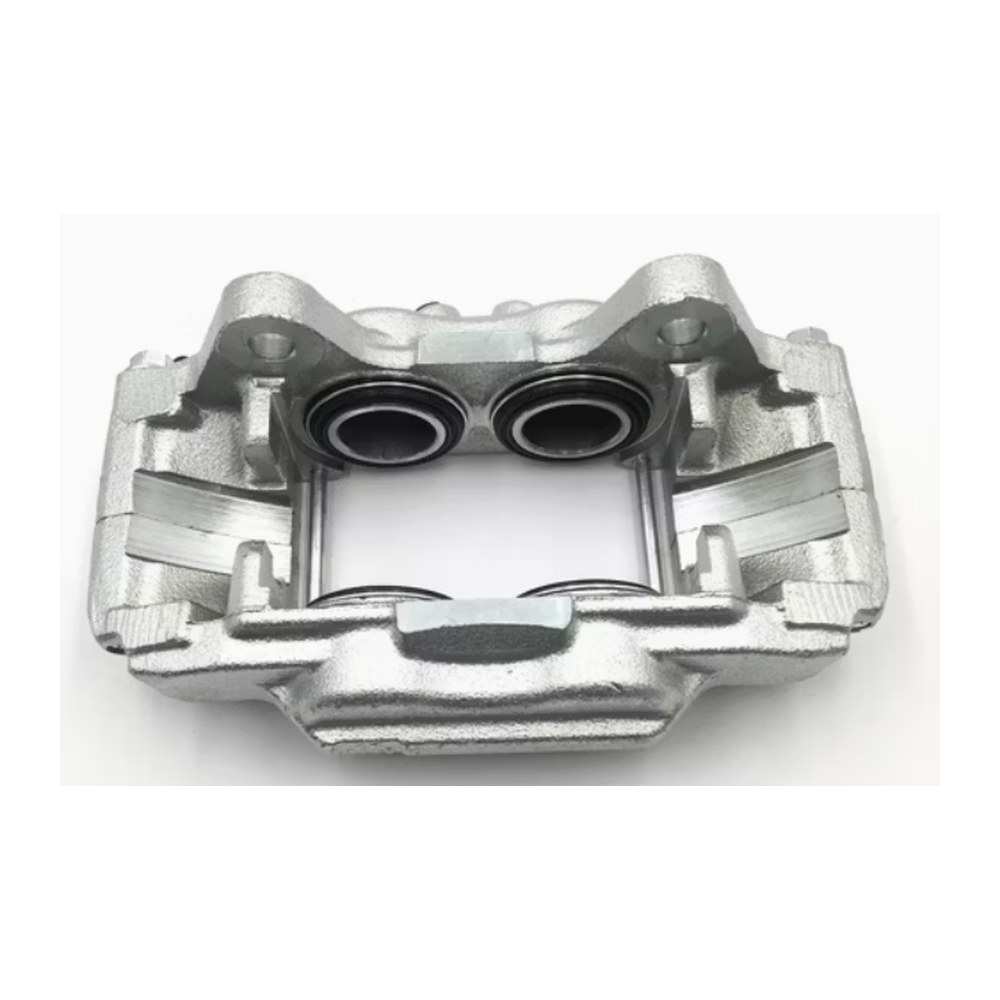
Pickup trucks often operate in demanding conditions: carrying cargo, towing where permitted, driving on rough roads, and working in wet, dusty or coastal environments. These conditions can increase the demands placed on the braking system. But there is no single mileage at which every pickup-truck brake caliper must be replaced.
For automotive parts importers and distributors, understanding why calipers deteriorate is useful for product selection, customer support and inventory planning. This guide explains what affects caliper service life, what to inspect, and how to plan a parts range for pickup applications.
Is There a Typical Brake Caliper Lifespan?
Unlike brake pads, a brake caliper is not normally replaced at a fixed mileage interval. A caliper may remain serviceable for many years if its housing, piston, seals, sliding components and mounting points remain in good condition. Another unit may need attention much earlier because of corrosion, contamination, mechanical damage or poor maintenance.
Published mileage claims should be treated cautiously unless they are supported by vehicle-specific service data or a clearly defined field study. Mileage alone is not a reliable basis for deciding whether a caliper should be replaced or rebuilt.
A qualified technician should assess its condition using the vehicle manufacturer's service information and applicable inspection procedures.
Five Factors That Affect Caliper Service Life
1. Water, humidity and road salt
Moisture and corrosive road conditions can damage exposed metal parts and contribute to problems around pistons, guide pins, brackets and fasteners. Damaged dust boots can make contamination worse. Coastal operation and winter road treatments deserve particular attention, but the actual effect depends on the vehicle and maintenance history.
2. Dust, mud and damaged protective boots
Pickup trucks used on unpaved roads may expose brake components to more dust and debris. When a piston dust boot or guide pin boot is torn, contaminants can reach surfaces that need to move smoothly. Inspection of boots and sliding components is therefore important during brake service.
3. Load, towing and operating conditions
Repeated braking with heavy loads can increase brake temperatures. Heat exposure can affect brake fluid and components over time, although the severity depends on the braking system design, driving conditions and whether the vehicle is operated within its rated limits.
4. Brake fluid condition
Brake fluid condition matters for the hydraulic system. Many commonly used glycol-based brake fluids absorb moisture over time. Follow the vehicle manufacturer's specified fluid grade and replacement interval; do not assume that one interval or fluid type applies to every pickup.
5. Maintenance and previous repairs
Problems may arise when damaged boots are ignored, sliding components are assembled incorrectly, unsuitable lubricants are used, or parts are selected without checking dimensions. Use lubricants and repair procedures approved for the specific application, particularly where rubber compatibility is important.
Warning Signs That a Caliper Needs Inspection
The symptoms below may involve a caliper, but they do not prove the caliper is the cause. Other brake, hydraulic, tyre or suspension issues can produce similar symptoms.
• Vehicle pulls during braking — Possible caliper-related issue: restricted piston or sliding movement — What to check: caliper operation and other braking/vehicle causes.
• Uneven pad wear — Sticking guide pins or uneven piston movement — Pads, guide pins, bracket and piston condition.
• Brake fluid visible near a wheel — Hydraulic leakage — Locate the source; inspect seals, hoses, fittings and caliper.
• Wheel unusually hot or burning smell — Brake drag — Stop using the vehicle until the cause is diagnosed.
• Persistent brake noise — Uneven pad contact or loose/worn hardware — Pads, rotor, bracket, hardware and caliper.
• Parking brake malfunction — Application-specific rear brake mechanism problem — Confirm the actual parking brake design before selecting parts.
A suspected brake fluid leak, severe brake drag or impaired braking performance requires prompt professional inspection. Do not continue driving a vehicle with unsafe braking performance.
When Can a Caliper Be Rebuilt, and When Is Replacement Better?
A rebuild may be considered when the caliper design permits service and a qualified rebuilder can verify that the reusable components meet the applicable specifications. Depending on the design, service parts may include piston seals, dust boots, guide pins, guide pin boots, pistons and selected internal mechanisms.
A complete replacement may be the appropriate option where the housing, critical bore or mounting features are damaged, or where the required service procedure or parts are unavailable. The decision should follow the relevant vehicle and component service criteria—not a general rule based only on mileage or appearance.
Important: A repair kit is not automatically suitable for every failure. Verify OE references, piston dimensions, seal profiles, guide pin dimensions and caliper configuration before ordering.
Pickup Applications: Why OE Verification Matters
Importers frequently source caliper assemblies and repair components for pickup and light-commercial platforms such as:
• Toyota Hilux and Hiace
• Ford Ranger and Mazda BT-50
• Nissan Navara
• Mitsubishi L200
• Isuzu D-MAX
These model names cover multiple generations, markets and brake configurations. A model name alone does not establish caliper compatibility. Buyers should confirm the OE number, vehicle year and market, front or rear position, left or right side, piston dimensions and whether the assembly includes a mounting bracket.
Do not assume that every model has the same failure pattern or a predictable replacement mileage. Local service and sales records are more useful for identifying demand by reference.
Inventory Planning for Importers and Distributors
Instead of stocking parts based on an assumed caliper lifespan, use your own sales history, vehicle population, workshop feedback and OE-level demand. A practical range may include:
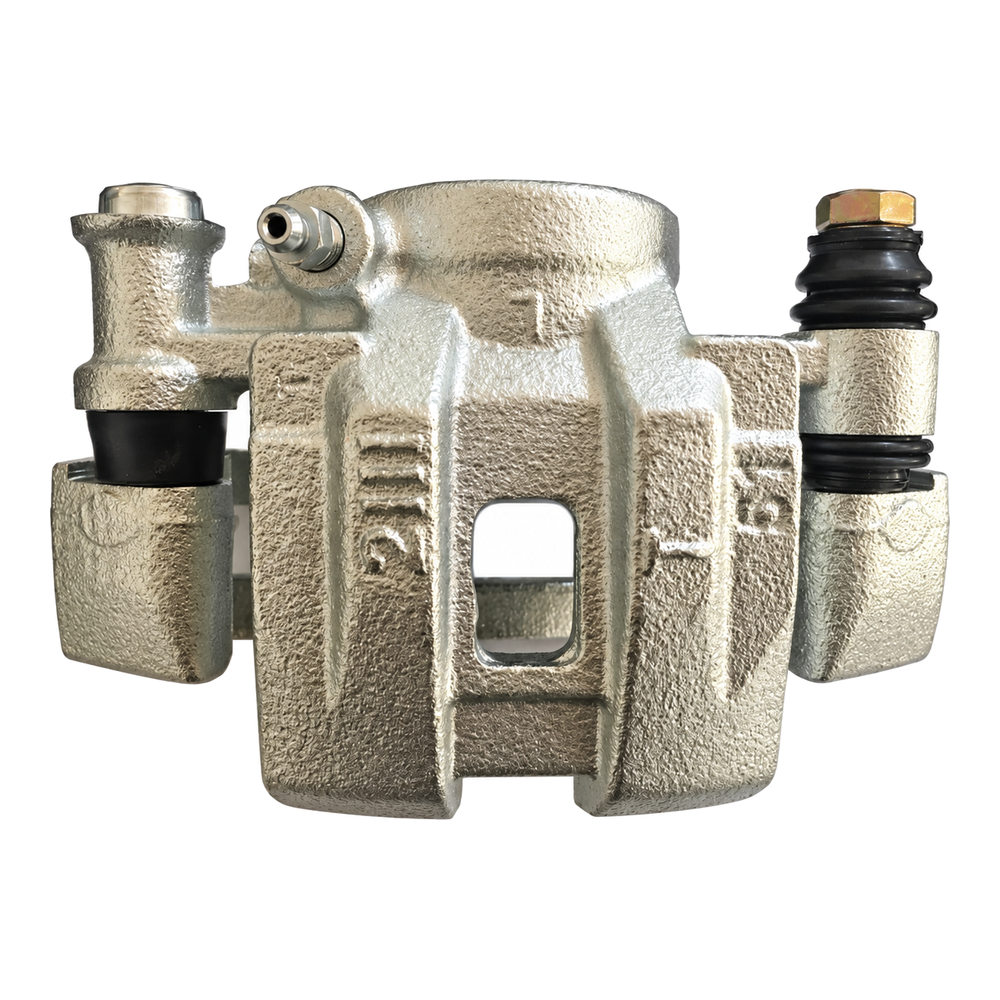
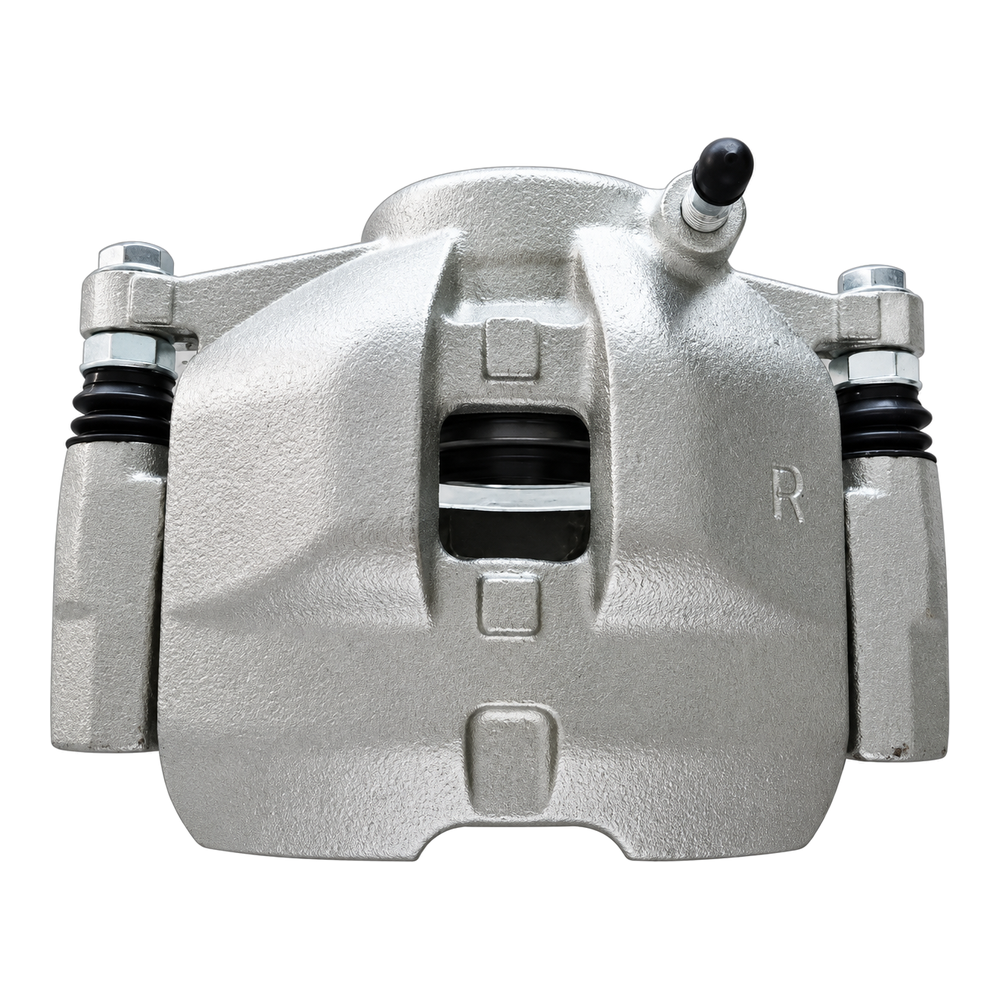
• Complete aftermarket calipers — Typical buyer need: replacement when a unit is not serviceable or rebuilding is impractical — Stocking consideration: check exact OE, side, bracket and configuration.
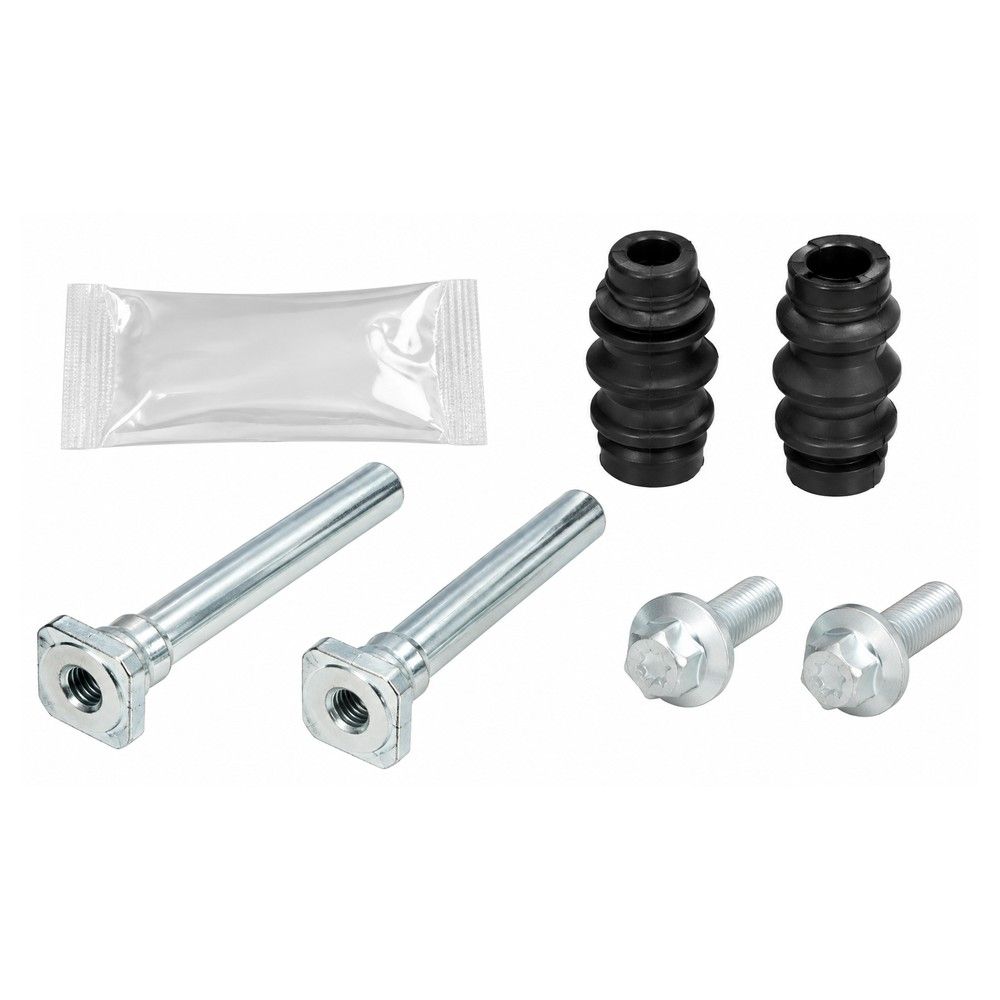
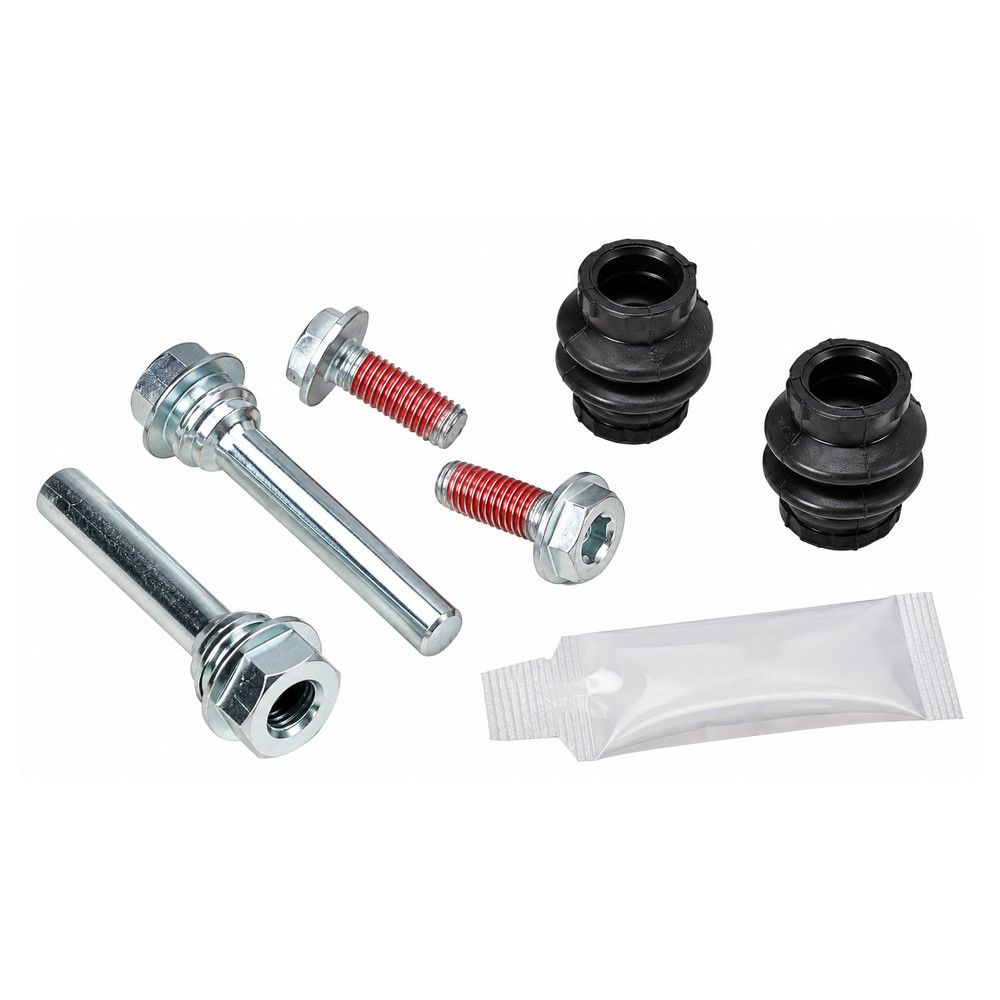
• Guide pin kits — Service of sliding components where permitted — Confirm pin diameter, length, boots and included hardware.
• Caliper repair kits — Rebuilding compatible calipers — Check actual kit contents and seal dimensions.
• Caliper pistons — Replacement of damaged pistons in serviceable calipers — Verify diameter, height, finish and design.
• Selected rear caliper internal parts — Specialist rebuilding of compatible rear mechanisms — Confirm the mechanism and component reference.
For a new market or unfamiliar OE reference, a smaller, evidence-based assortment can be more useful than a broad catalog built on unverified mileage estimates. Reorder decisions should follow actual demand and supplier availability.
Frequently Asked Questions
Should brake calipers be replaced after a fixed number of kilometres?
Not generally. Inspect them according to the vehicle manufacturer's service guidance and replace or rebuild them when their condition and the approved repair procedure require it.
Should both calipers on an axle always be replaced together?
Not automatically. The other side should be inspected, and the repair decision should consider its condition, braking balance and manufacturer guidance. A qualified technician should make the final assessment.
Can a caliper last a long time with proper maintenance?
Yes, but there is no reliable universal mileage guarantee. Environment, operating conditions, caliper design and maintenance all matter.
Do pickup trucks in coastal or dusty markets need different parts?
They may face different environmental stresses, but replacement parts must still match the vehicle's approved configuration and specifications. Environmental exposure alone does not justify changing OE compatibility.
Can rebuilders order only pistons, guide pins or seals?
For supported applications, these components may be sourced separately. The buyer should provide the OE reference, photographs, dimensions and required quantities so compatibility and availability can be checked.
Source Pickup-Truck Brake Calipers and Repair Components from SHIBAO Brake
Yuhuan Shibao Automotive Co., Ltd. (SHIBAO Brake) is an automotive aftermarket brake parts supplier based in Yuhuan, Zhejiang, China. Established in 2000, we focus on brake caliper assemblies and replacement components for passenger cars, pickup trucks and light commercial vehicles.
Our range includes new aftermarket brake caliper assemblies (with mounting brackets for our standard listed configurations), caliper repair kits, guide pin kits, pistons, rubber components and selected rear caliper internal parts. Actual configuration and availability are confirmed by OE reference.
We work with importers, wholesalers, distributors and caliper rebuilding businesses. Send your OE list, quantities, destination market and any product photographs or dimensions for a quotation review.
• Email: sophia@shibaobrakeparts.com
• WhatsApp: +86 188 0657 8282
• Contact: Send Your OE List for a Quote
• Website: www.shibaobrakeparts.com
Explore related products: Brake Caliper Assemblies · Caliper Repair Kits · Guide Pin Kits · Caliper Pistons
Related reading: Brake Caliper Repair Kit vs Complete Caliper · Remanufactured vs New Brake Calipers
By SHIBAO Brake | Yuhuan Shibao Automotive Co., Ltd.