Sep 20, 2026Brake Knowledge
Brake Caliper Repair Kit vs Complete Caliper: When to Rebuild
When to rebuild a caliper with a repair kit and when to replace the complete caliper: bore and housing checks, cost comparison and stocking notes for distributors and repair shops.
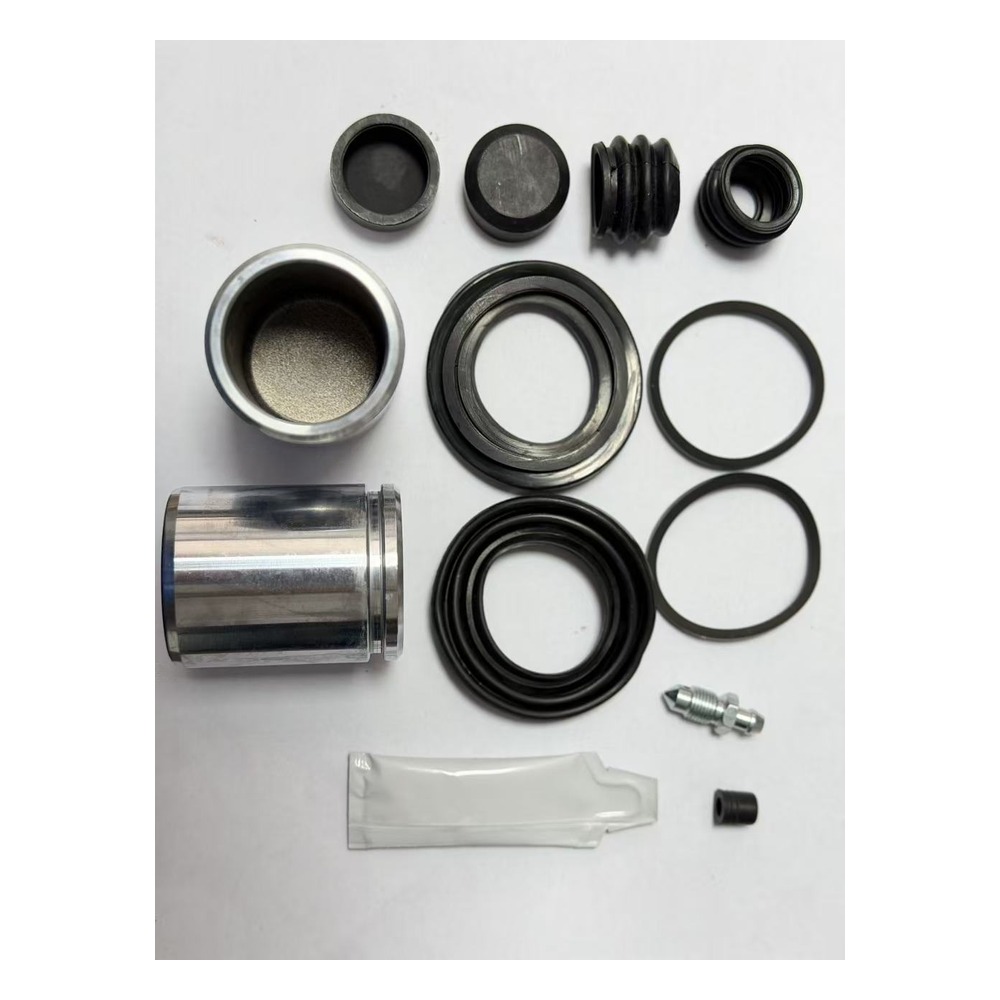
A brake caliper repair kit restores a serviceable caliper by replacing seals, dust boots, and related wear parts. A complete caliper or caliper assembly replaces the whole unit. For many leaking or sticking calipers in the aftermarket, the housing is still usable. In those jobs, a repair kit is the lower-cost way to put the original caliper back in service.
This guide explains when a kit is the right buy, when a full caliper is safer, and why distributors, shops, and fleets should stock both.
Direct answer
Use a brake caliper repair kit when the caliper body is not cracked, the piston bore is not deeply scored or pitted, and the leak or sticking comes from worn seals, torn boots, or dry slide hardware.
Replace the complete caliper when the body is cracked or deformed, the bore is pitted beyond a clean finish, the piston is badly corroded or seized, or the casting is no longer safe.
That split is the whole business case. Repair kits do not replace every caliper sale. They cover the large group of jobs where the casting is still good.
What a brake caliper repair kit is
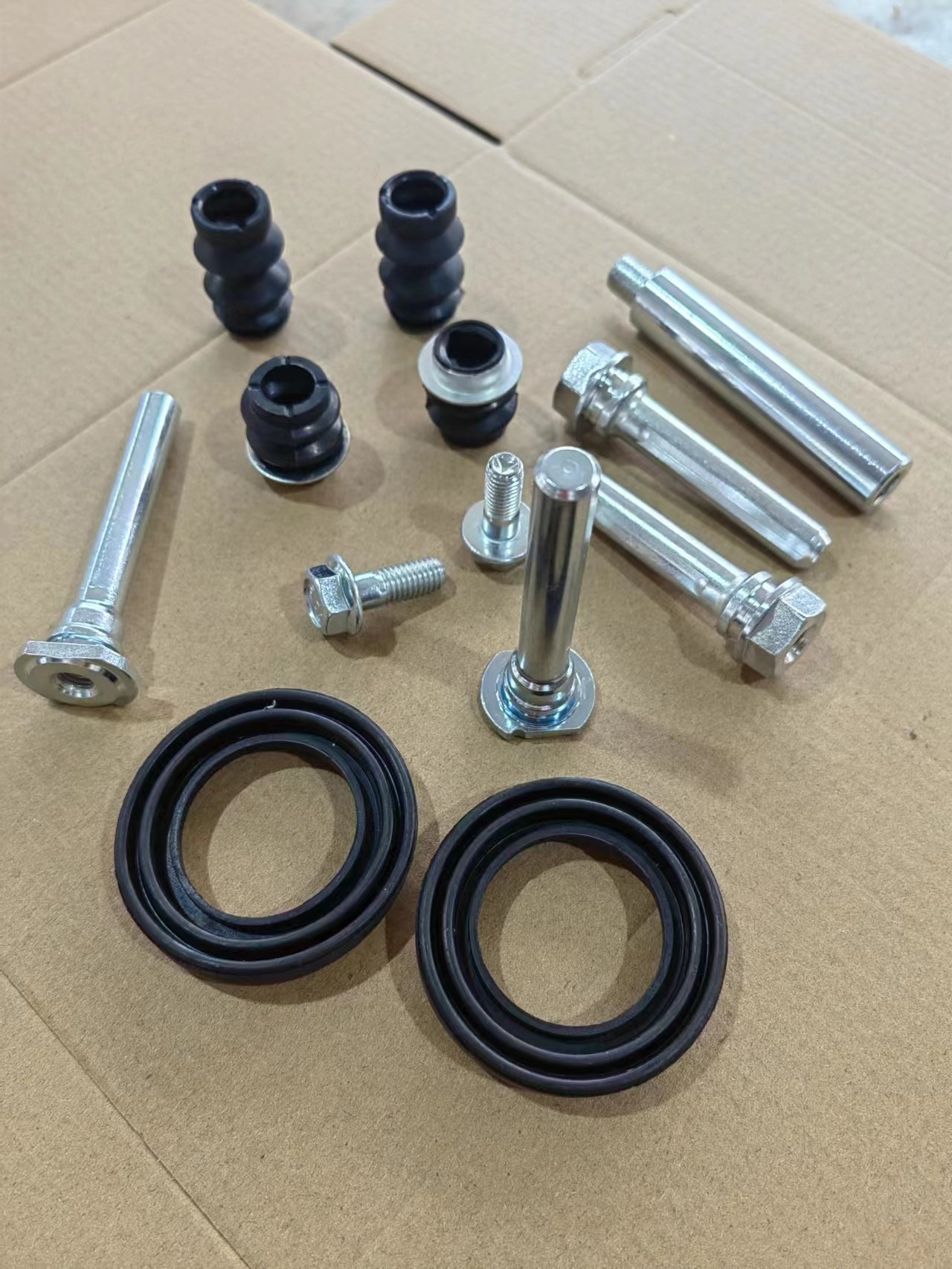
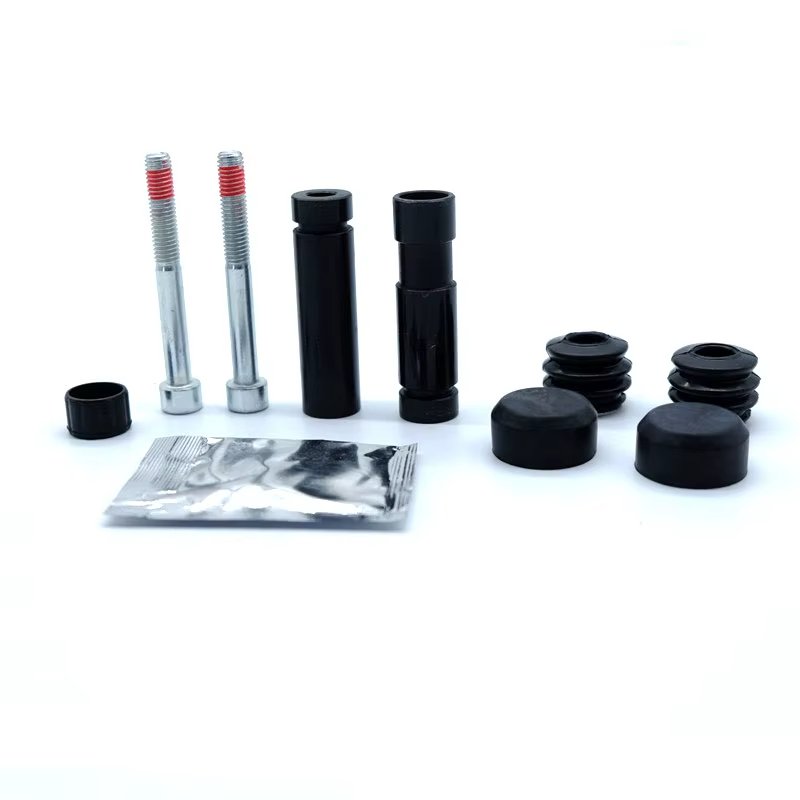
A brake caliper repair kit, also called a caliper rebuild kit or caliper seal kit, is a component-level set used to refurbish an existing caliper. Typical contents include piston pressure seals, dust boots, O-rings, bleeder caps, assembly grease, and small hardware.
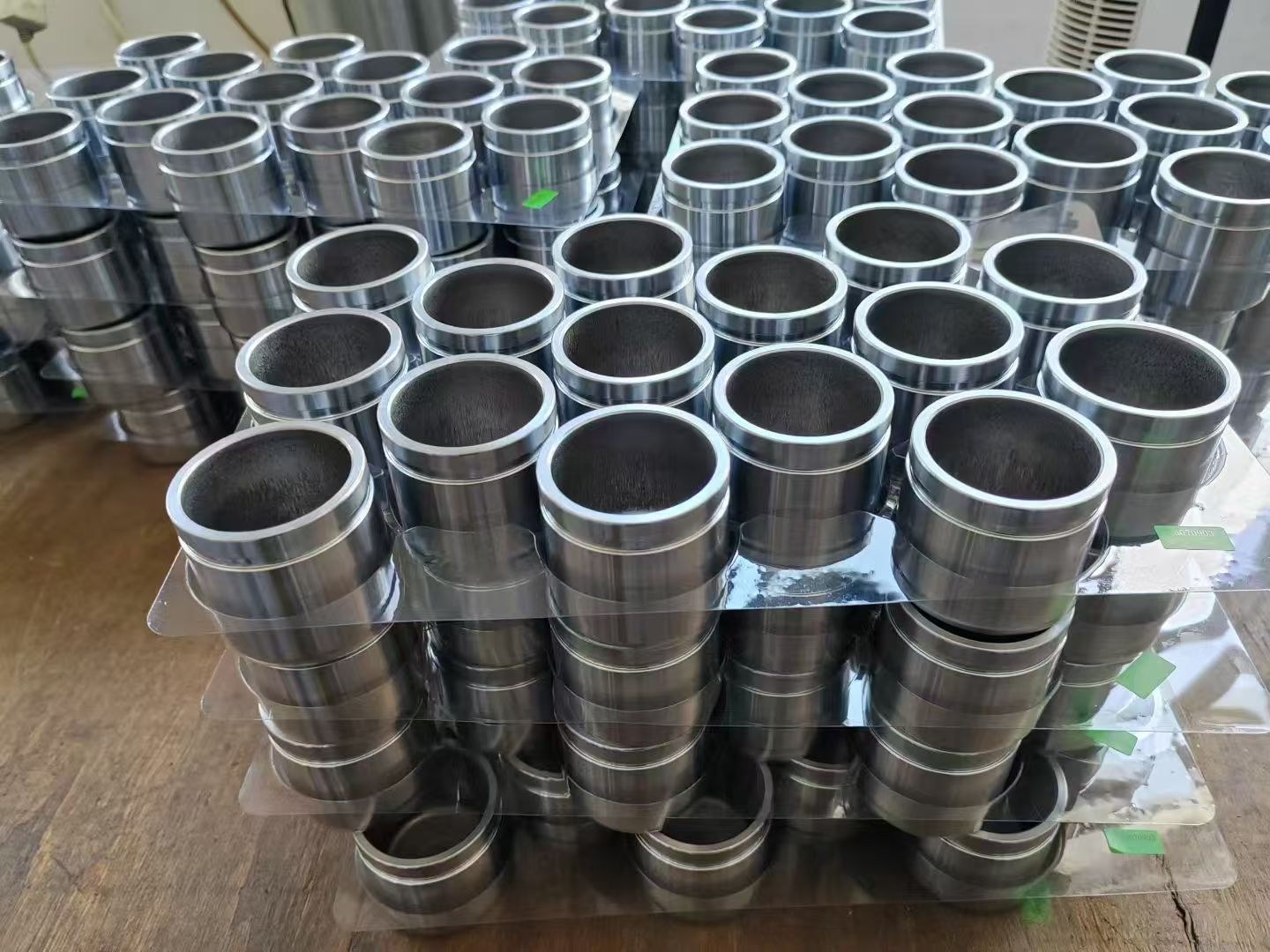
Some kits are seal-only. Full overhaul kits may add pistons, guide pins, or pin boots. The kit is designed to restore sealing and sliding function without replacing the caliper body.
Why customers used to buy the whole caliper
Distributors and shops bought complete calipers and caliper assemblies because the job looked simple: unbolt the old unit, bolt on the new one, bleed, and finish. That is still the right move when the housing is damaged.
The problem is cost and inventory. A repair kit for common passenger vehicles is a small, low-cost part. A new caliper assembly costs several times more per corner before labor. Remanufactured calipers sit in between, but they still cost several times a kit and occupy more warehouse space.
If the only failed parts are rubber seals and boots, the customer paid for a new casting they did not need.
Cost comparison shops actually use
• Caliper repair kit: lowest parts cost. Best when the housing and bore are serviceable. Low inventory load.
• Remanufactured caliper: middle cost. Best when the shop wants bolt-on speed. Medium inventory load.
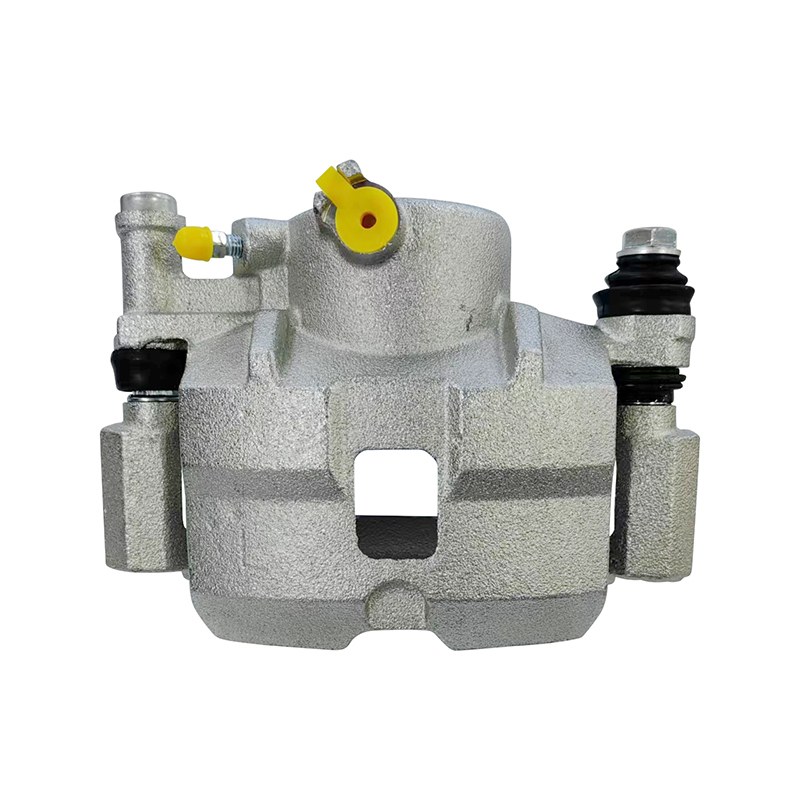
• New / complete caliper assembly: highest cost per corner. Best when the casting is damaged or time matters more than parts cost. High inventory load.
Labor still exists on both paths. The kit wins on parts cost and on keeping the original fitment. The complete caliper wins on speed when the body cannot be trusted.
For wholesalers, the kit also changes the quote. One kit family can cover many applications. A complete caliper is a bulky, expensive unit with fitment, bracket, loaded/unloaded, and core issues.
When the original caliper can stay in service
After a correct rebuild, the same caliper can return to service if three checks pass:
• Housing integrity: no cracks at the bridge, mount, or hose port.
• Bore condition: after cleaning, the seal surface is smooth. A fingernail should not catch deep pits.
• Piston condition: light staining can be cleaned. Deep rust, peeling plating, or scoring means replace the piston or the whole caliper.
If those three pass, replacing seals and boots is not a shortcut. It is the correct repair.
Why mature aftermarkets need repair kits
A mature vehicle market is a high-demand market for caliper wear parts: the light-vehicle fleet is large and aging, independent shops and service chains both do high brake volume, salted winter roads accelerate corrosion, fleets watch parts cost per vehicle, and many vehicles stay in service long enough for seals to harden and boots to tear.
That is why buyers still order complete calipers, and why they also need kits. The kit is not a poor-market product. It is a mature-market product: high vehicle age, high repair frequency, and strong aftermarket distribution.
Who should stock repair kits
• Wholesale distributors: lower inventory cost, wider application coverage, and an easier mix with complete calipers on the same order.
• Independent repair shops: a better estimate for customers who will not pay for a new caliper when the body is clean.
• Fleets and commercial operators: lower cost per event when housings are inspected on a schedule.
• Retail and DIY channels: common seal leaks on older daily drivers.
Do not sell a kit as a universal substitute. Sell it as the first-line product when the housing is good, and keep complete calipers for structural failure.
Common mistakes that kill a rebuild
• Installing a new seal on a pitted bore
• Reusing a torn boot because it still looks acceptable
• Skipping slide-pin service on a floating caliper
• Not cleaning the seal groove
• Mixing old contaminated fluid back into the system
• Rebuilding only one side when both calipers are equally aged
A kit fails when the diagnosis is wrong, not because the category is weak.
The right way to sell the category
Complete calipers and repair kits are not competing lines. They split one job:
• repair kit = seals and boots failed, housing still good
• complete caliper = housing or bore no longer safe
Shops save money without taking the wrong safety risk. Distributors keep the caliper program and add a faster-turning line. That is how aftermarket buyers should treat this category.
FAQ
What is a brake caliper repair kit?
A brake caliper repair kit is a set of replacement seals, dust boots, and related wear parts used to rebuild a caliper whose housing is still structurally sound.
Is a repair kit cheaper than a complete caliper?
Yes. A kit is typically a fraction of the parts cost of a new or complete caliper. It is more cost-effective when the caliper body and bore can be reused.
Can the caliper be used again after the kit is installed?
Yes, if the housing, bore, and piston pass inspection. The kit restores sealing and sliding function so the original caliper can return to service.
When should I not use a repair kit?
Do not rebuild a caliper with a cracked body, a deeply pitted bore, a seized or badly scored piston, or a damaged hose port.
Do customers still buy complete calipers?
Yes. Complete calipers remain necessary. The growth opportunity is adding repair kits for the jobs that never needed a new casting.
What should a wholesaler stock first?
Stock the high-velocity seal kits for common high-volume platforms, then add pin and boot kits and full overhaul kits. Keep complete calipers for damaged-housing demand.
Need wholesale coverage?
If you are a distributor, importer, or shop network looking for brake caliper repair kits for your market, request the application list and pricing on this website.