Oct 7, 2026Brake Knowledge
Floating vs Fixed Brake Caliper: Differences, Parts & Repair Guide
Floating vs fixed brake calipers explained: design, guide pins, pistons, common problems and repair parts. A practical guide for brake parts buyers.
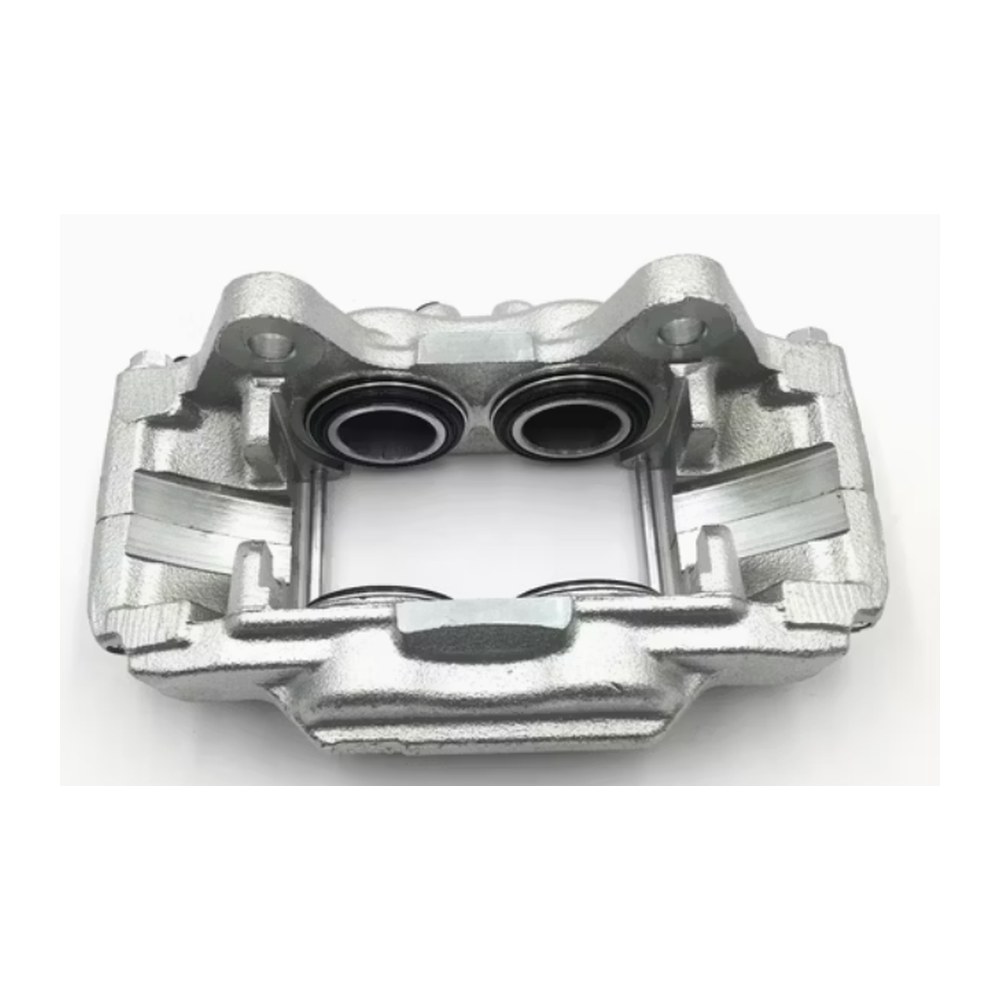
The main difference between a floating brake caliper and a fixed brake caliper is how the caliper applies force to the brake pads.
A floating caliper normally uses piston(s) on one side and moves laterally on guide pins or slider pins to clamp both brake pads against the rotor.
A fixed caliper does not slide. Pistons are positioned on both sides of the rotor and apply pressure directly to both brake pads.
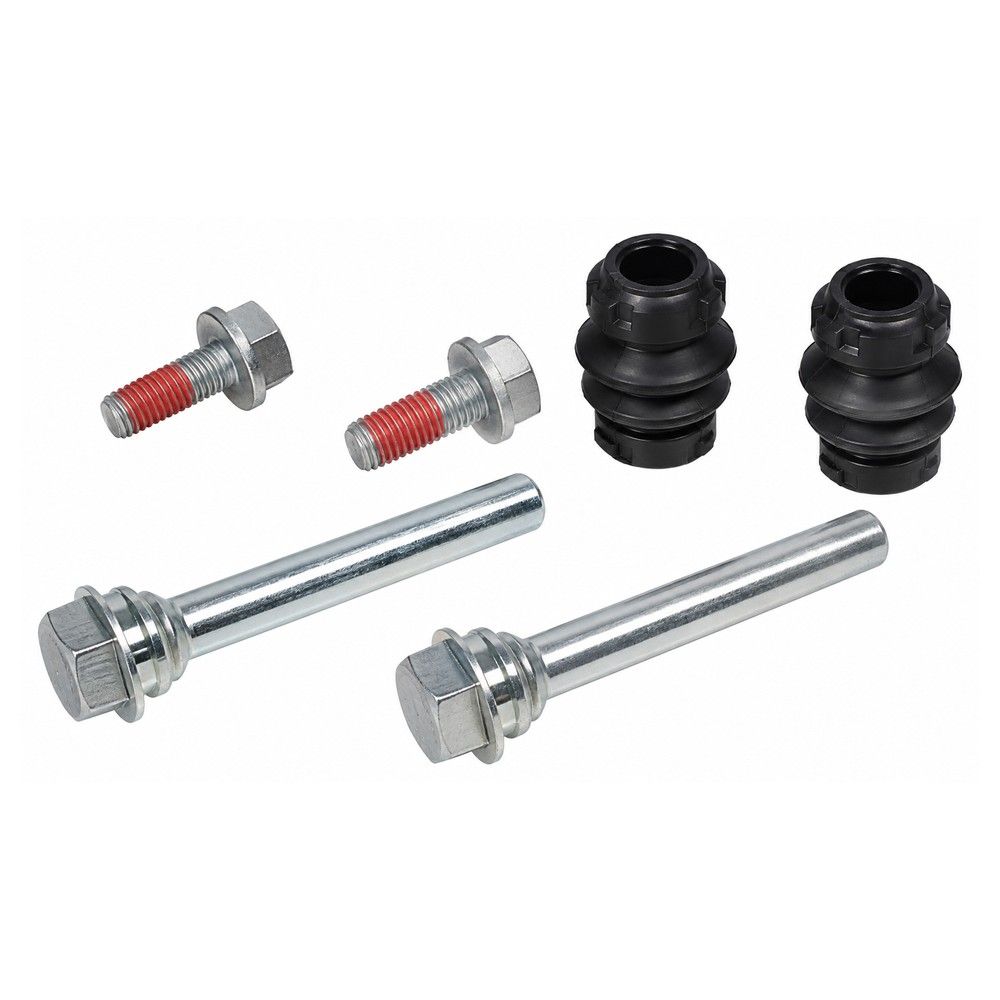
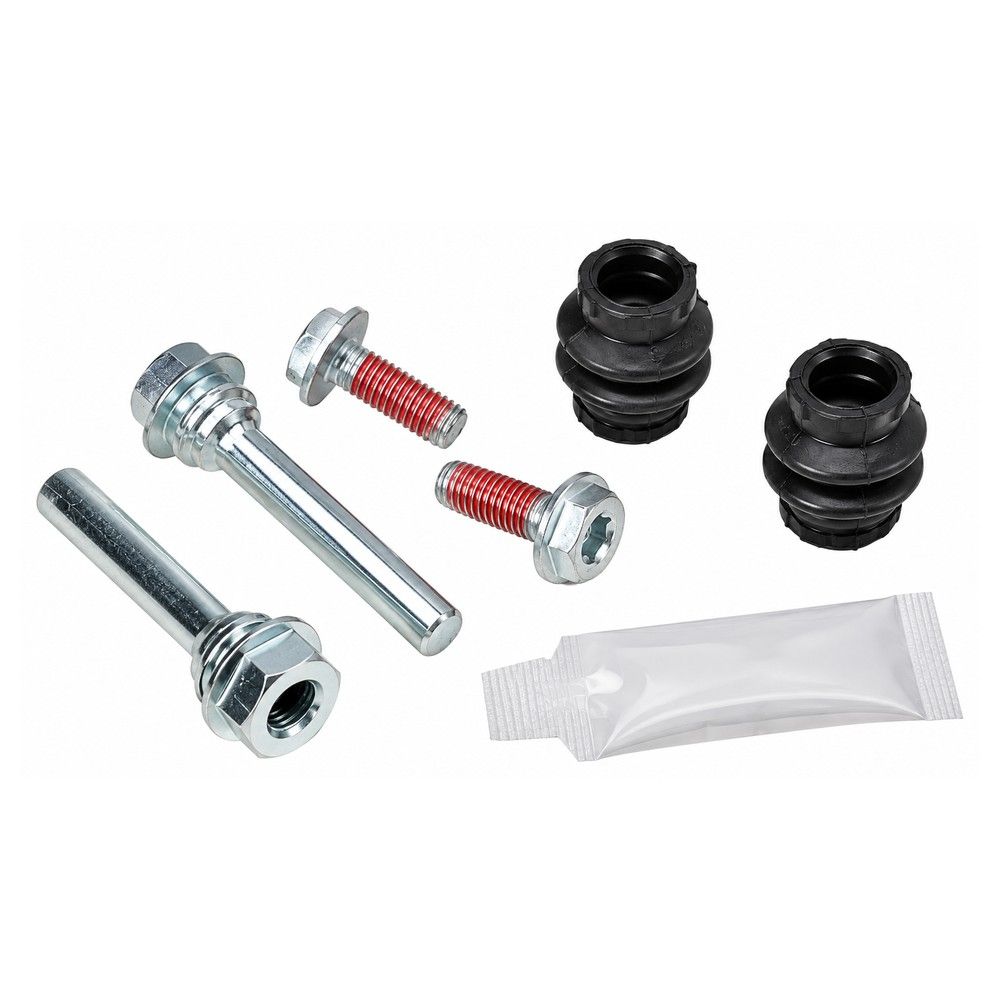
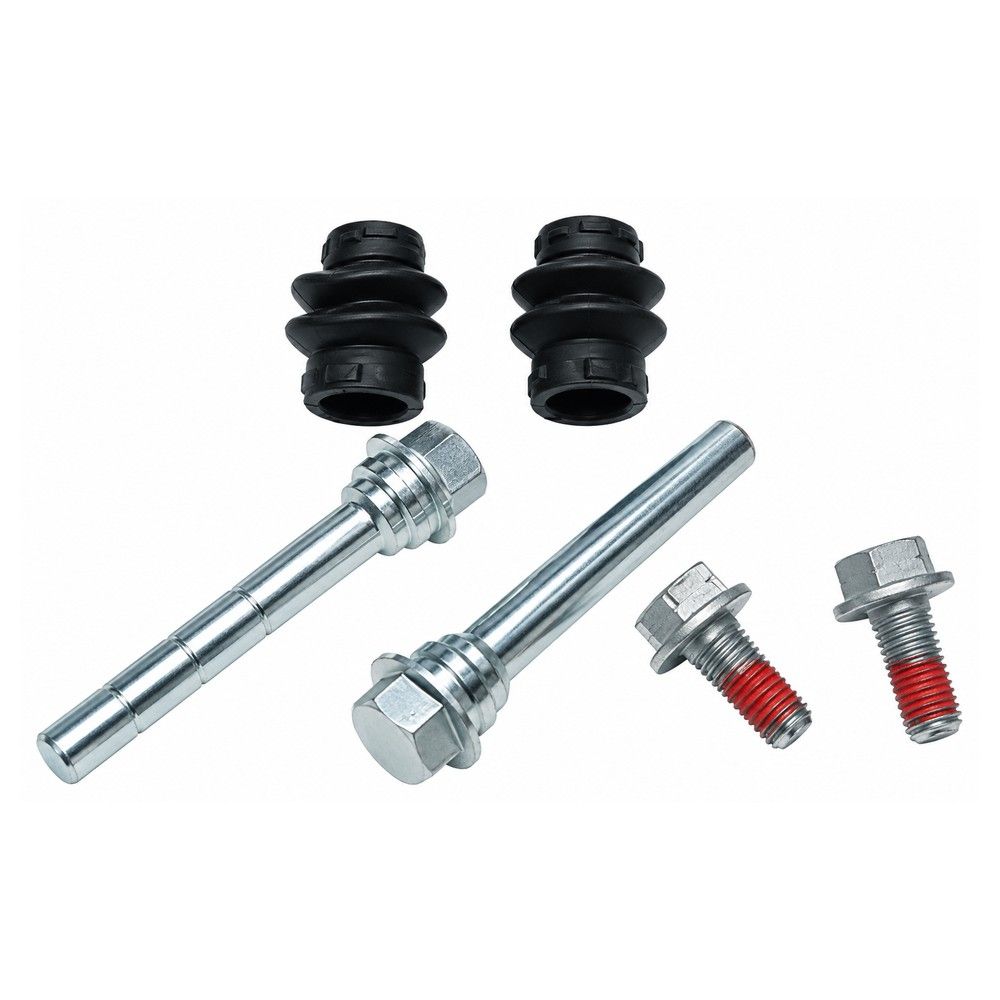
For brake parts buyers, this difference also affects the repair parts required. Floating calipers commonly require guide pins, rubber boots and slider hardware, while fixed calipers generally use a different repair structure.
Floating vs Fixed Brake Caliper Comparison
Feature | Floating Brake Caliper | Fixed Brake Caliper |
|---|---|---|
Caliper movement | Slides laterally | Caliper body remains fixed |
Piston arrangement | Usually piston(s) on one side | Pistons on both sides |
Guide / slider pins | Normally required | Normally not used for caliper sliding |
Structure | Relatively simple | More complex |
Weight | Generally lighter | Generally heavier |
Cost | Usually lower | Usually higher |
Common repair parts | Guide pins, boots, piston seals, pistons, hardware | Pistons, seals and application-specific hardware |
Common applications | Passenger cars, pickups, SUVs, LCVs | Performance and selected vehicle applications |
The exact design varies by vehicle and brake system, so repair parts should always be confirmed by OE number, caliper reference, dimensions or sample.
What Is a Floating Brake Caliper?
A floating brake caliper, also called a sliding brake caliper, is designed to move sideways on guide pins or slider pins.
When the driver applies the brakes, hydraulic pressure pushes the piston against the inner brake pad. The caliper then slides along its guide pins, allowing the outer pad to clamp the opposite side of the brake rotor.
Because this sliding movement is essential to normal operation, the condition of the guide pins, rubber boots and lubrication is important.
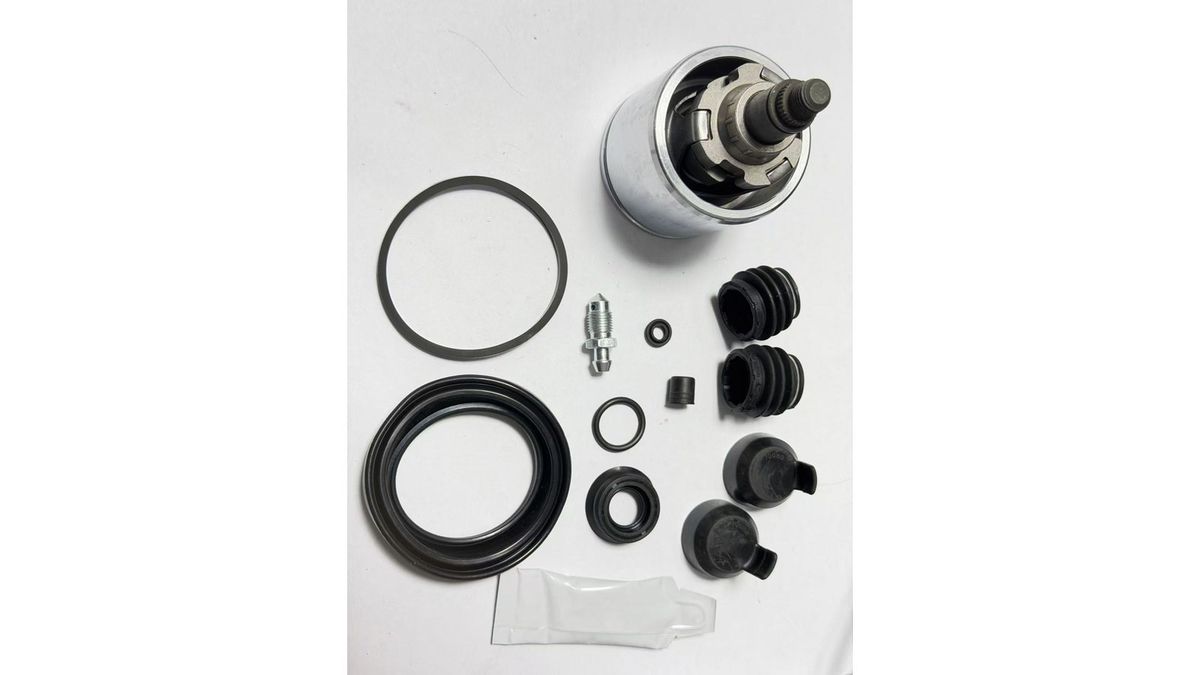
Common Parts in a Floating Brake Caliper
Depending on the caliper design, common service and repair components may include:
- Guide pins / slider pins
- Guide pin rubber boots
- Caliper piston
- Piston seal
- Piston dust boot
- Bleeder screw
- Mounting bolts
- Caliper bracket
- Brake caliper hardware
For aftermarket distributors, identifying the correct repair components is often more difficult than identifying the complete caliper because many small parts do not carry an OE number.
Why Are Guide Pins Important in a Floating Caliper?
The guide pins allow the floating caliper to move smoothly as the brakes are applied and released.
If a guide pin becomes corroded, dry, bent or seized, the caliper may not slide correctly.
Possible symptoms include:
- Uneven brake pad wear
- One brake pad wearing faster than the other
- Caliper sticking
- Excessive heat
- Noise
- Poor brake release
- Damage to rubber boots or related components
Replacing the complete caliper is not always necessary. Depending on the condition of the caliper body, a suitable guide pin or repair kit may restore the sliding mechanism.
What Is a Fixed Brake Caliper?
A fixed brake caliper is mounted rigidly and does not slide laterally during braking.
Instead of using the caliper body to move from side to side, fixed calipers normally use pistons positioned on both sides of the brake rotor.
When hydraulic pressure is applied, the pistons push the brake pads toward the rotor from both sides.
Does a Fixed Brake Caliper Use Guide Pins?
A fixed brake caliper normally does not use guide pins to slide the caliper body in the same way as a floating caliper.
However, different brake designs may still use pins or hardware for other functions.
This is why a part should not be identified only by the words “pin” or “caliper pin.” The vehicle application, brake system, dimensions and part function should also be checked.
Which Type Is Better: Floating or Fixed?
Neither design is automatically better for every application.
Floating calipers are widely used because they offer a relatively simple, compact and cost-effective design.
Fixed calipers can provide a more rigid structure and use pistons on both sides of the rotor, which makes them suitable for applications where the vehicle manufacturer requires that type of braking system.
For aftermarket buyers, the important question is not which design is better, but which caliper and repair components match the original vehicle application.
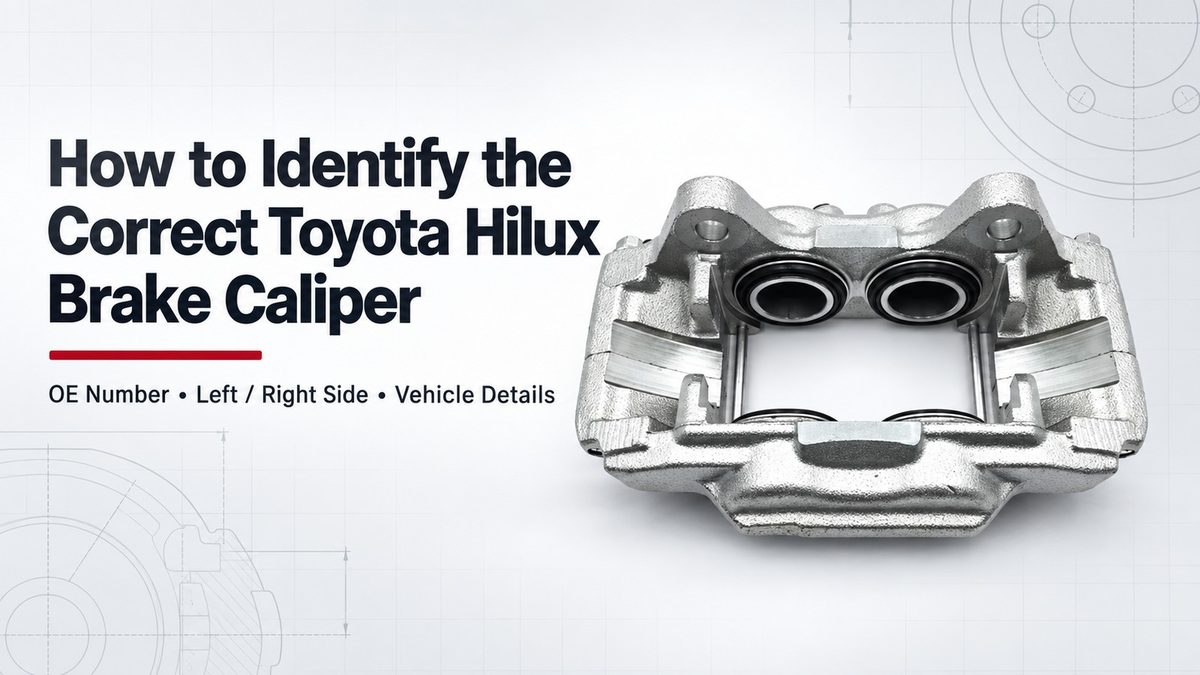
How to Identify the Correct Brake Caliper Repair Parts
Before ordering brake caliper repair parts, check as much information as possible.
Useful identification information includes:
- OE number
- Brake caliper reference
- Vehicle make and model
- Production year
- Front or rear axle
- LH or RH position
- Brake system
- Piston diameter
- Guide pin diameter and length
- Clear photos of the original parts
If an individual guide pin, piston or rubber component does not have an OE number, dimensions and photos can help with matching.
Repair the Caliper or Replace the Complete Caliper?
The answer depends on the condition of the caliper.
If the caliper body is in usable condition and the problem is limited to service components such as guide pins, rubber boots, seals or pistons, a repair kit may be an economical solution.
If the caliper body is badly damaged, severely corroded or unsuitable for rebuilding, replacing the complete brake caliper may be more appropriate.
Distributors therefore often carry both complete brake calipers and repair components to cover different aftermarket requirements.
For Brake Parts Distributors & Importers
Sourcing brake caliper repair parts can be difficult when a purchasing list contains many different OE and aftermarket references.
You do not need to check every item individually.
Send us your:
- OE number list
- Aftermarket reference list
- Excel purchasing list
- PDF inquiry
- Product photos
- Required quantities
We can check multiple brake caliper and repair part references together and prepare a combined quotation.
Looking for Brake Calipers or Repair Parts?
Send your OE/reference list and required quantities for checking.
FAQ
What is the main difference between a floating and fixed brake caliper?
A floating caliper slides on guide pins and normally uses piston(s) on one side of the rotor. A fixed caliper does not slide and normally uses pistons on both sides of the rotor.
Does a floating brake caliper have guide pins?
Yes. Floating or sliding calipers normally use guide pins or slider pins to allow lateral caliper movement.
Does a fixed brake caliper use guide pins?
A fixed caliper normally does not use guide pins for lateral movement of the caliper body. Its pistons act from both sides of the rotor.
What happens when brake caliper guide pins seize?
Seized or poorly moving guide pins can contribute to uneven pad wear, caliper sticking, excessive heat and poor brake release.
Can I replace guide pins instead of the complete brake caliper?
Depending on the condition and design of the caliper, worn guide pins, boots or related components may be serviceable separately. The caliper should be inspected before deciding which parts require replacement.
How can I identify a brake caliper repair kit without an OE number?
Provide the vehicle information, brake system, dimensions and clear photos of the original components. Guide pin diameter/length and piston diameter can be particularly useful.
Can I send multiple brake caliper references for quotation?
Yes. Distributors and importers can send Excel, PDF, OE/reference lists or product photos together with required quantities.
Related Products
Product categories for brake calipers and repair components: