Brake Caliper Supply
How Brake Parts Distributors Can Reduce Slow-Moving Inventory and Improve Cash Flow
Learn how brake parts distributors can reduce slow-moving inventory, improve cash flow and select suitable brake calipers and repair components.
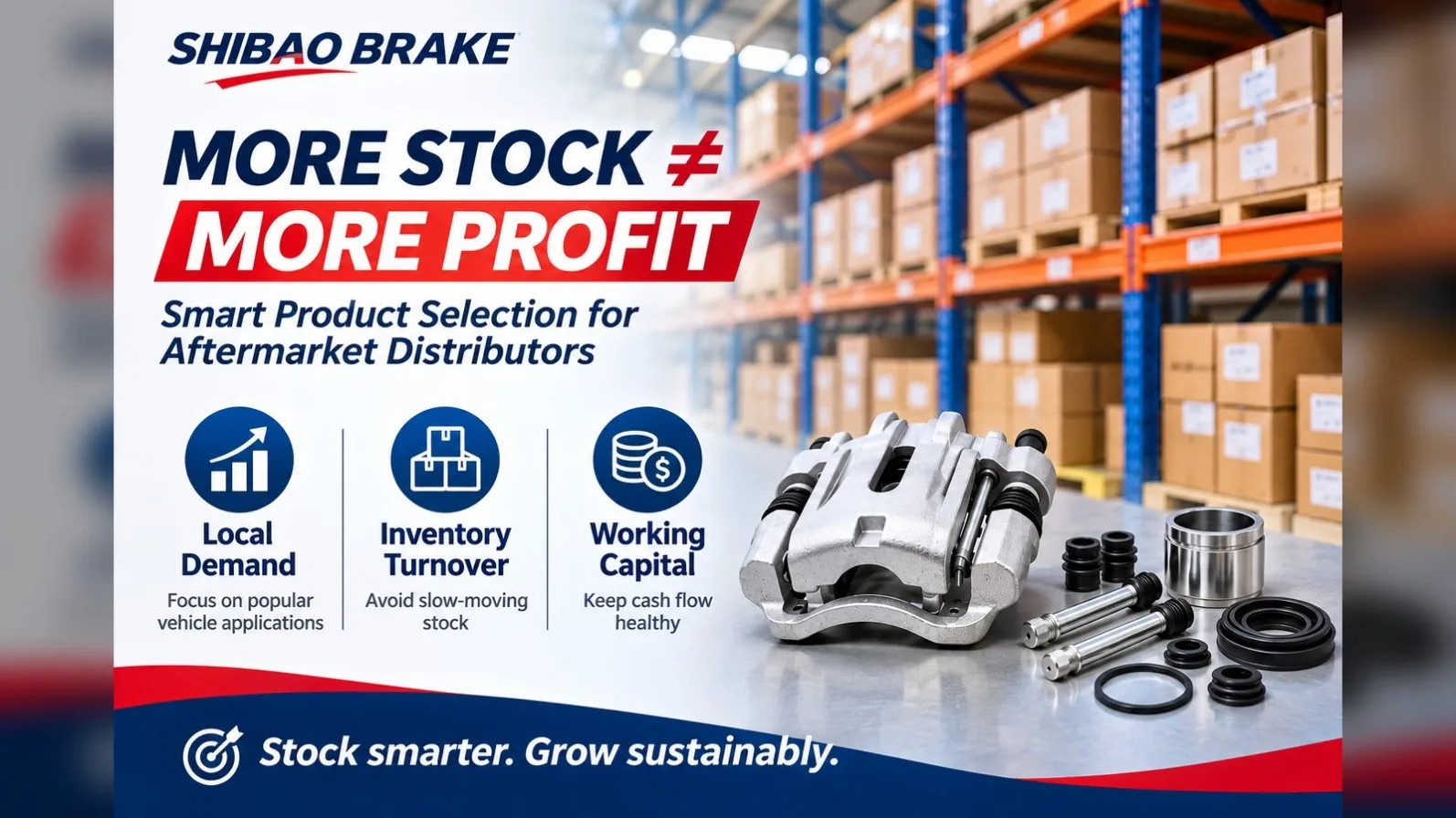
In the automotive aftermarket, a larger product range does not always lead to higher profits.
For brake parts importers, wholesalers and distributors, inventory management is an important part of maintaining a healthy business.
Stocking too many slow-moving references can increase storage costs, tie up working capital and limit the ability to invest in products with stronger demand.
The challenge is not simply finding more products. It is selecting the right products for the local market.
1. Start with Local Vehicle Demand, Not the Supplier Catalogue
A supplier catalogue is a useful sourcing tool, but it should not be the only basis for purchasing decisions.
Different markets have different vehicle populations, driving conditions, repair practices and customer preferences.
Before expanding a brake parts product range, distributors should review:
• Frequently requested vehicle applications
• Historical sales and repeat orders
• Product enquiries that could not previously be fulfilled
• Local workshop requirements
• Existing stock and slow-moving references
Vehicle popularity alone does not necessarily indicate strong demand for a particular brake caliper. Actual replacement demand and customer purchasing patterns should also be considered.
2. Classify Brake Parts by Purchasing Priority
Not every product requires the same inventory investment.
Distributors can divide their product references into three practical groups:
• Core products — Characteristics: established demand and regular sales — Suggested purchasing approach: maintain appropriate stock levels.
• Growth products — Increasing enquiries or potential market demand — Test demand before expanding stock.
• Special applications — Irregular or uncertain demand — Purchase against confirmed requirements where practical.
This approach allows distributors to expand their product range without committing unnecessary capital to every available reference.
3. Balance Complete Brake Calipers and Repair Components
Complete brake caliper assemblies and individual repair components serve different aftermarket needs.
Depending on local demand, distributors may consider stocking:
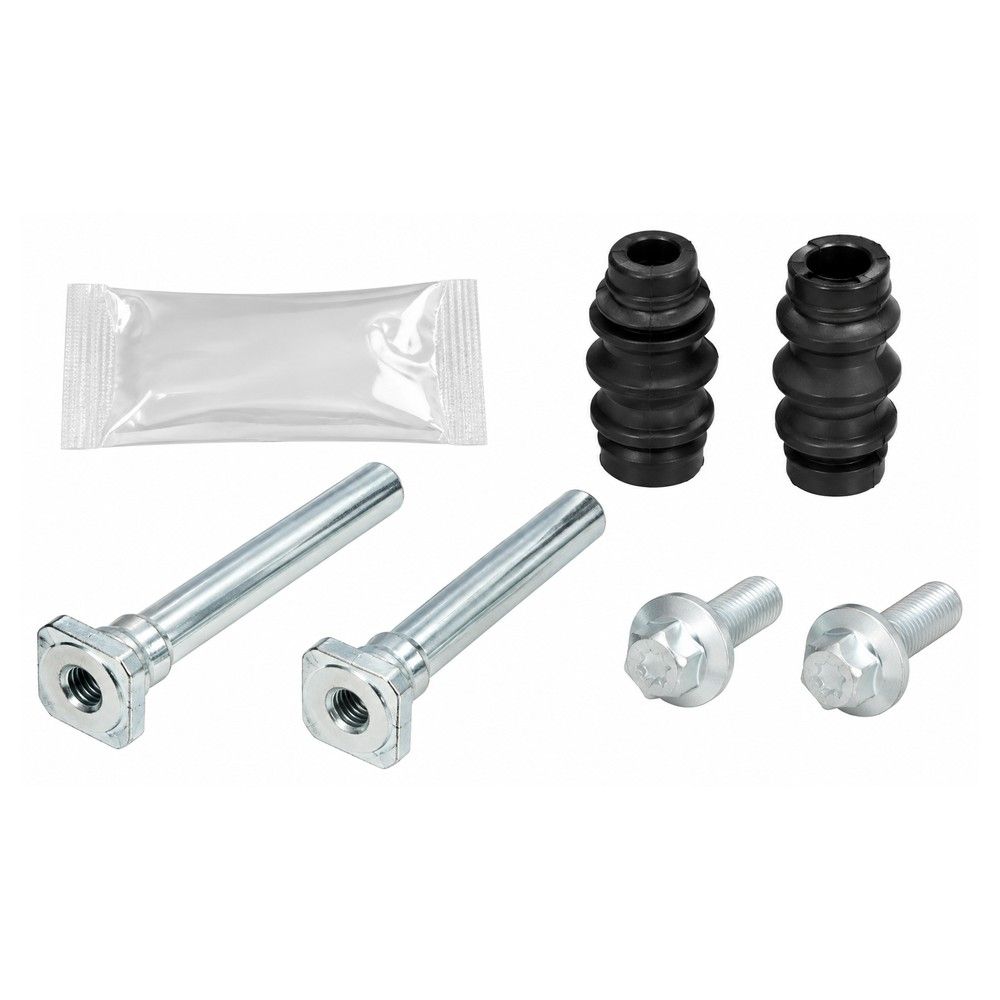
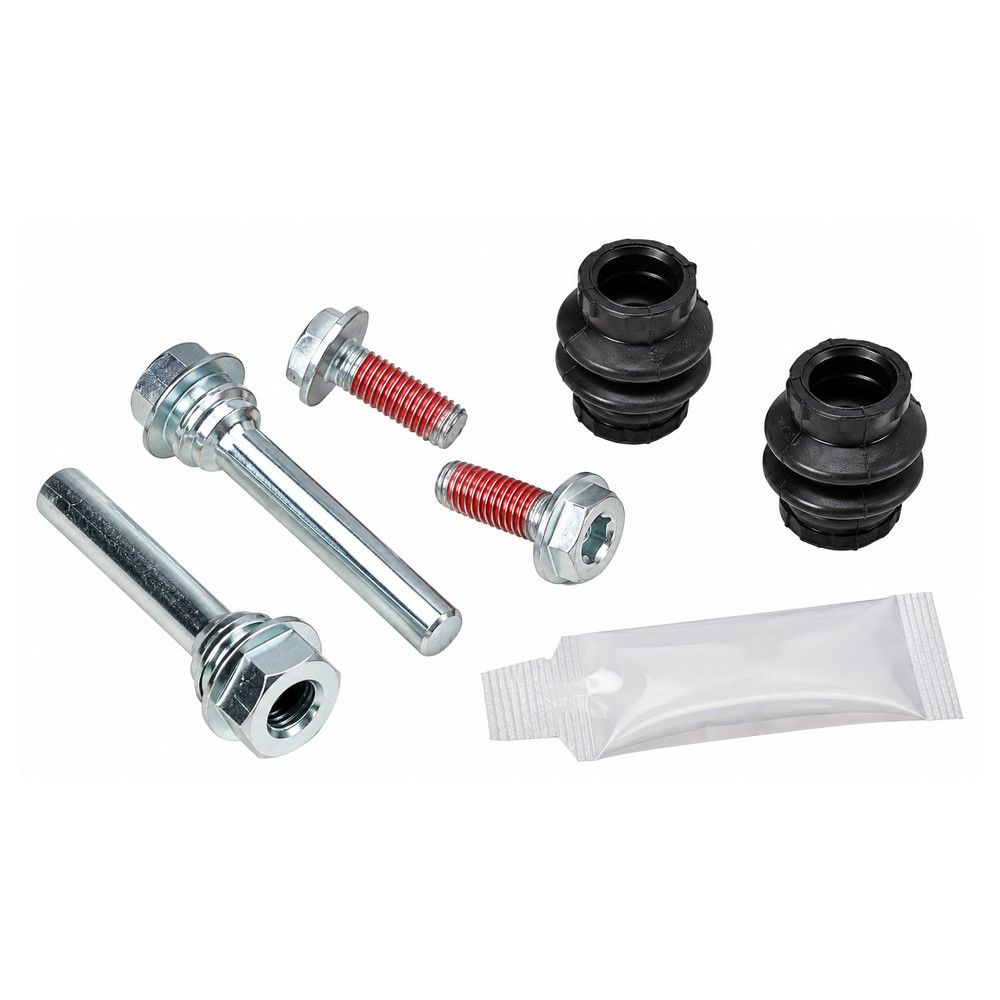
• Rubber seals and dust boots
• Related mounting and fitting components
Repair components generally require less storage space than complete caliper assemblies. However, their suitability depends on correct technical identification, local repair practices and applicable safety requirements.
Not every damaged brake caliper is suitable for repair. Inspection and repair decisions should follow the relevant manufacturer’s specifications and professional guidance.
The most suitable inventory combination depends on the distributor's customer base and actual market demand.
4. Measure Inventory Turnover and Capital Efficiency
Purchase price alone does not determine whether a product is profitable.
Distributors should also consider how quickly products sell and how much capital remains tied up in unsold inventory.
A useful inventory management indicator is:
Inventory Turnover = Annual Cost of Goods Sold / Average Inventory Value
For example, consider two hypothetical product lines:
• Product Line A — Average inventory investment: $10,000 — Annual cost of goods sold: $40,000 — Annual inventory turnover: 4 times.
• Product Line B — Average inventory investment: $10,000 — Annual cost of goods sold: $10,000 — Annual inventory turnover: 1 time.
Although both product lines require the same average inventory investment, Product Line A turns over four times as frequently.
This example illustrates why inventory movement matters. Actual purchasing decisions should also consider profit margins, freight costs, replenishment lead times and customer service requirements.
5. Reduce Purchasing Risks Before Placing an Order
Incorrect product identification can create unnecessary inventory and after-sales problems.
Before ordering brake calipers or related components, distributors should confirm relevant information, including:
• OE reference numbers
• Vehicle applications
• Left-hand or right-hand configurations
• Mounting and bracket specifications
• Product dimensions
• Required quantities
• Packaging requirements
Where product references are uncertain, technical drawings, photographs or physical samples may help support identification.
Accurate product confirmation before purchasing can help reduce avoidable returns and unsuitable stock.
6. Develop a Practical Replenishment Strategy
A successful inventory strategy should consider both purchasing costs and replenishment requirements.
Suppliers and distributors can discuss:
• Minimum order quantities
• Production and delivery lead times
• Initial purchasing quantities
• Freight and packaging costs
• Replenishment requirements for established products
Rather than introducing every available product at once, distributors can evaluate an initial product range and expand it according to actual customer demand.
The appropriate purchasing plan should reflect the supplier’s production requirements and the distributor’s sales expectations.
7. Build Supplier Relationships Around Local Market Needs
Recently, SHIBAO BRAKE has received catalogue enquiries from automotive parts distributors exploring opportunities in different markets.
These conversations highlight the importance of combining local market knowledge with accurate product information.
Distributors understand their customers, vehicle applications and local purchasing behaviour.
Suppliers understand their available products and sourcing capabilities.
Sharing this information can help both sides identify suitable products and establish more practical purchasing arrangements.
Frequently Asked Questions
How can brake parts distributors reduce slow-moving inventory?
Review historical sales, customer enquiries and stock movement before ordering. Prioritise established demand and evaluate new references gradually.
Should distributors stock complete brake calipers or repair kits?
The appropriate combination depends on local vehicle applications, customer preferences, professional repair capabilities and actual replacement demand.
What information should I prepare when sourcing brake calipers?
Prepare OE numbers, vehicle information, product photos, required quantities and relevant technical specifications. Confirm whether mounting brackets and other components are required.
Does a lower purchase price always mean better profitability?
No. Freight costs, inventory turnover, product suitability, returns and replenishment lead times also influence overall profitability.
Conclusion
More inventory does not automatically mean more profit.
For automotive aftermarket distributors, selecting suitable products, improving inventory turnover and maintaining healthy cash flow are important considerations for sustainable business growth.
A productive supplier relationship should begin with understanding the local market, confirming product requirements and developing a realistic purchasing plan.
About SHIBAO BRAKE
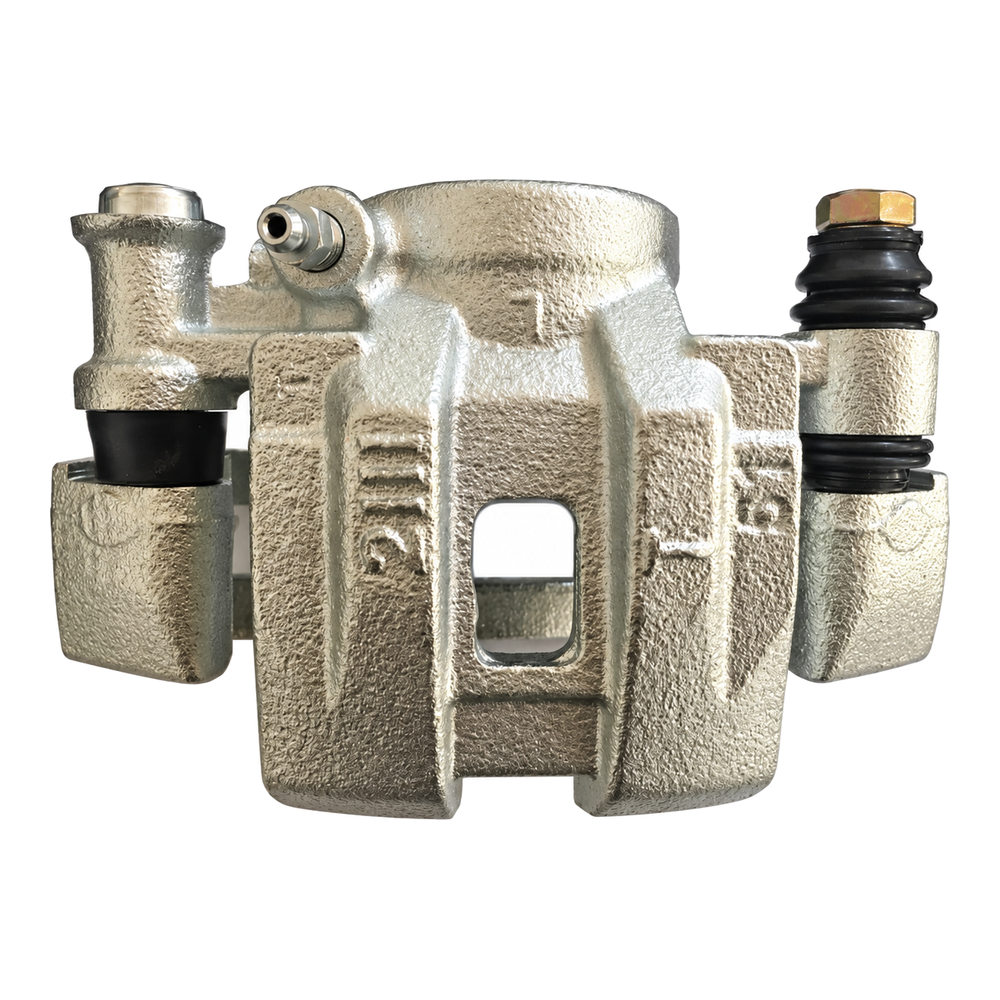
SHIBAO BRAKE supplies aftermarket brake caliper assemblies, guide pin kits, pistons and related brake caliper repair components for international automotive aftermarket buyers.
We welcome enquiries from importers, wholesalers and distributors based on OE references, product specifications and local market requirements.
Looking to develop or expand your brake parts product range? Contact us to discuss your sourcing requirements.
Website: www.shibaobrakeparts.com
Contact: Send Your OE List for a Quote
By SHIBAO Brake | Yuhuan Shibao Automotive Co., Ltd.